
Reviewed · TIWANAKU RUINS TOURS
La Paz, Tiahuanaco shared tour guided tour
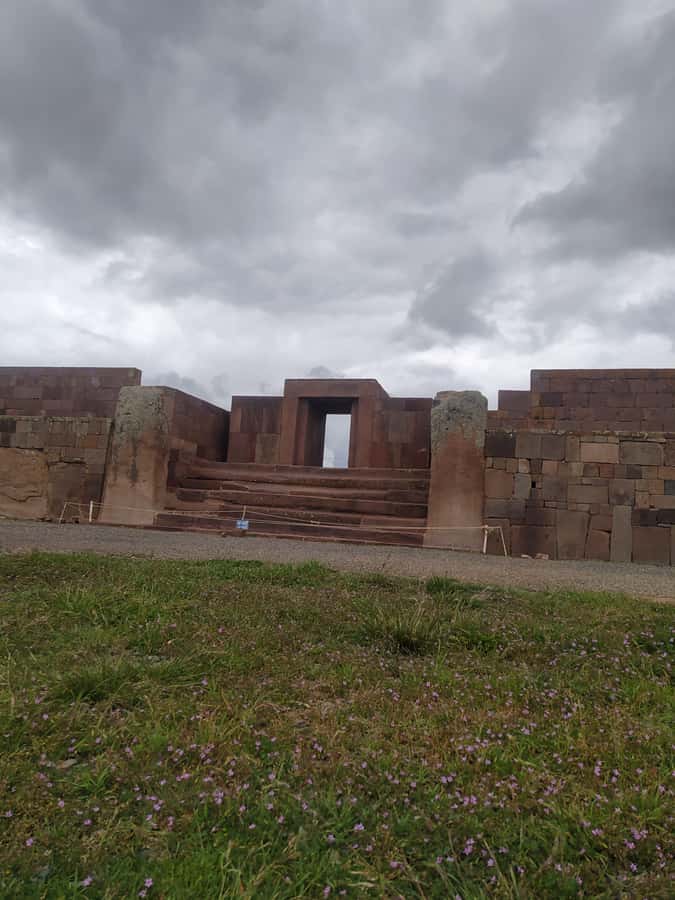
Ancient stone makes the long ride worthwhile. This La Paz day trip gives you two things I especially like: a ceramic and lithic museum visit before the ruins, plus guided time at both Tiahuanaco and Puma Punku. I also like that the $45 price includes transport, a Spanish-English guide, and hotel pickup, which keeps a long day simple.
The main concern is reliability. A May 2025 booking reported a 1.5-hour pickup delay, missed Puma Punku, and a different drop-off point from the original pickup. The schedule also contains mixed timing information, so I would confirm your pickup details and allow extra time before booking anything important afterward.
In This Review
- Key points to know before booking
- Why Tiahuanaco deserves a full day from La Paz
- The 8 AM pickup from central La Paz
- Two hours by coach to the archaeological area
- The ceramic and lithic museums
- Tiahuanaco and the 7.30-meter monolith
- A 45-minute semi-buffet lunch
- Puma Punku in a short 30-minute visit
- The return to San Francisco
- Who should book this shared tour?
- Practical rules and flexible booking
- Should you book the Tiahuanaco day trip?
- FAQ
- How much does the tour cost?
- How long does the tour take?
- Where can I be picked up in La Paz?
- What places does the tour visit?
- Is Puma Punku included?
- Is lunch included in the tour price?
- What languages does the guide speak?
- Where does the tour finish?
- Can I cancel the booking?
- Is the tour wheelchair accessible?
Key points to know before booking
- The archaeological day runs long: Pickup begins at 8 AM, with the stated finish at 5 PM, despite the advertised seven-hour duration.
- You visit four main attractions: A ceramic museum, a lithic museum, the Tiahuanaco archaeological site, and Puma Punku.
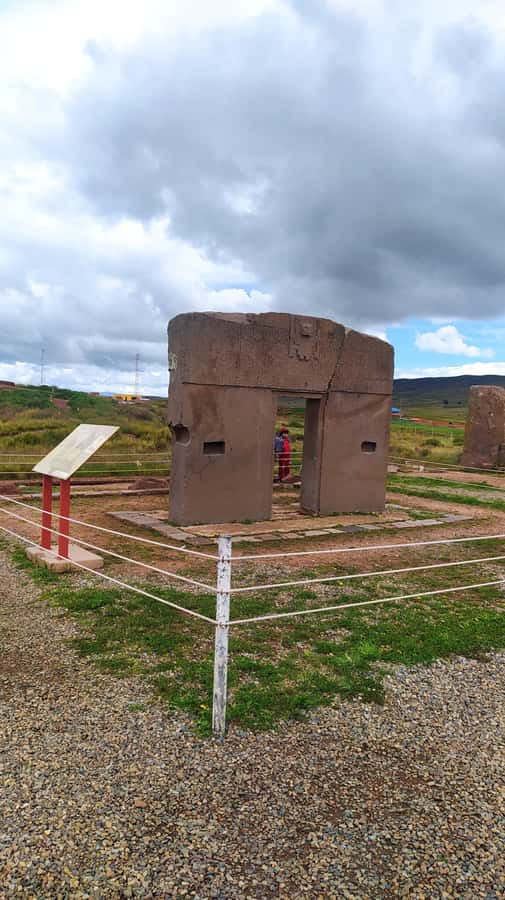
- The largest monolith reaches 7.30 meters: This is one of the tour’s headline sights, along with displays about cranial deformation and trepanation.
- The real cost is about $66: The $45 tour price excludes the $15 entrance fee and $6 lunch, plus drinks.
- Puma Punku is the timing pressure point: It is planned as a 30-minute stop, but one delayed departure caused the stop to be skipped.
- Pickup and accessibility details need checking: Central pickup points are listed, but the activity also says hotel pickup is included and gives conflicting wheelchair information.
Why Tiahuanaco deserves a full day from La Paz
Tiahuanaco is not a quick photo stop. The journey from La Paz takes about two hours each way, so you spend much of the day getting there and back. That sounds like a lot of bus time, but a guided outing makes sense if you want to see the archaeological area without arranging separate transport.
I like the order of the visit. You begin with museum displays, then move outdoors to the ruins. That gives you a chance to see ceramic and stone objects before standing among the remains themselves. The objects can help you notice details at the main site rather than simply walking past large blocks and taking pictures.
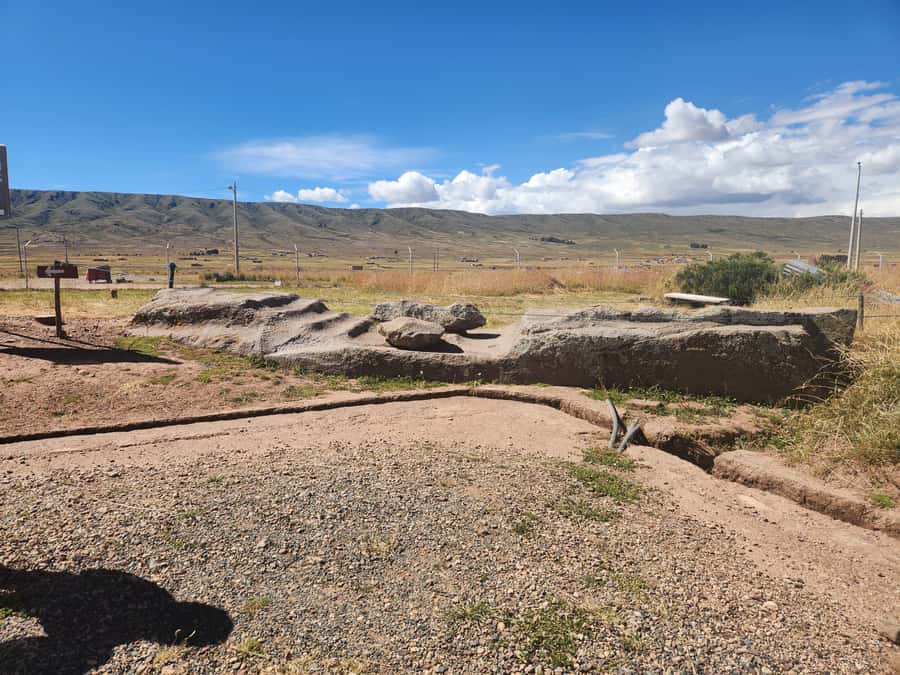
The tour also gives you access to Puma Punku, a separate archaeological area often treated as the day’s special stop. Here, the planned visit lasts 30 minutes. That is not much time, but it is enough to see the site with a guide if the day runs on schedule.
The setting is also part of the appeal. You leave La Paz’s high-altitude city streets and spend the day in one of Bolivia’s major archaeological destinations. I would choose this trip for its contrast with Inca sites. Tiahuanaco has a different visual character, and one booking specifically praised how different it felt from Inca ruins.
You can also read our reviews of more guided tours in La Paz
The 8 AM pickup from central La Paz
Pickup begins in the central area at 8 AM. The listed meeting choices are Student Plaza, the Church of San Francisco, and the La Paz Bus Terminal. The tour also says hotel pickup is included, so you should confirm the exact arrangement rather than assume a vehicle will come to your hotel door.
The Basilica of Saint Francis is especially useful as a reference point because the tour ends there. The final drop-off is at the Plaza Mayor de San Francisco, a central location where you can continue exploring La Paz on foot or arrange onward transport.
The operator is ILLIMANI HAKU. I would send a message before the morning of departure and ask for three simple details: your confirmed pickup point, the expected pickup time, and the final drop-off location. One May 2025 booking reported no reply to a confirmation request and a pickup that arrived 90 minutes late.
That delay matters more here than it would on a short city tour. Tiahuanaco is outside La Paz, and the schedule already has several stops packed into one day. If the vehicle leaves late, the first thing likely to suffer is the 30-minute Puma Punku visit. A delayed start also means you may return later than expected.
Two hours by coach to the archaeological area
The journey to Tiahuanaco takes about two hours by bus or coach. Transport is included, which is the biggest practical reason to consider this shared tour. You do not need to negotiate a private vehicle, manage directions, or work out how to connect the museum visits with the ruins.
The trade-off is control. A shared vehicle follows the group schedule, and you cannot decide to spend an extra hour at one museum or leave the ruins early. If you want a slow photographic visit or a private guide, a shared tour may feel rushed.
The published timing is not perfectly clear. The activity is described as lasting seven hours, but the important information says an 8 AM start and a 5 PM finish. The listed parts also add up to roughly eight hours and 45 minutes: two hours out, three and a half hours for the main museum and archaeological visit, 45 minutes for lunch, 30 minutes at Puma Punku, and two hours back.
I would plan around the 8 AM to 5 PM window, not the shorter seven-hour label. Avoid booking a flight, long-distance bus, or fixed appointment in La Paz immediately after the tour.
The ceramic and lithic museums
The first major sightseeing block includes two museums: one focused on ceramics and one focused on lithic material. The planned museum-and-site visit lasts about three and a half hours, so the museums are not merely a rushed indoor pause.
The ceramic museum can help you understand the material culture connected with the area. The lithic museum is particularly relevant before seeing the carved stones outdoors. I like having both collections in the same day because they give you different ways to read the site: one through crafted objects and the other through monumental stonework.
You should ask at the start of the visit how much time is planned in each museum. The information supplied does not give a room-by-room breakdown, and the guide may adjust the order to fit conditions. One booking praised the organizer’s flexibility with changed hours, but also noted that museum photography was not possible. If taking pictures inside matters to you, ask before you enter and follow the museum rules.
A second practical point concerns the guide. The tour promises a live guide in English or Spanish, but one booking found that the guide could not answer every question. I would still value having a guide here, especially for orientation, but I would not book this as a specialist archaeology lecture.
Tiahuanaco and the 7.30-meter monolith
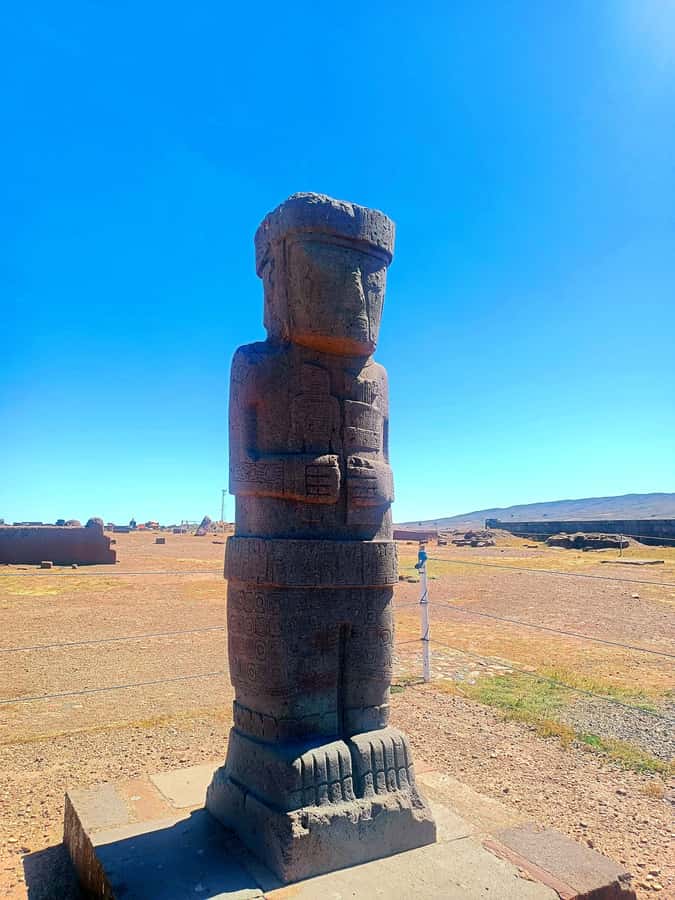
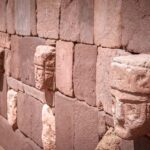
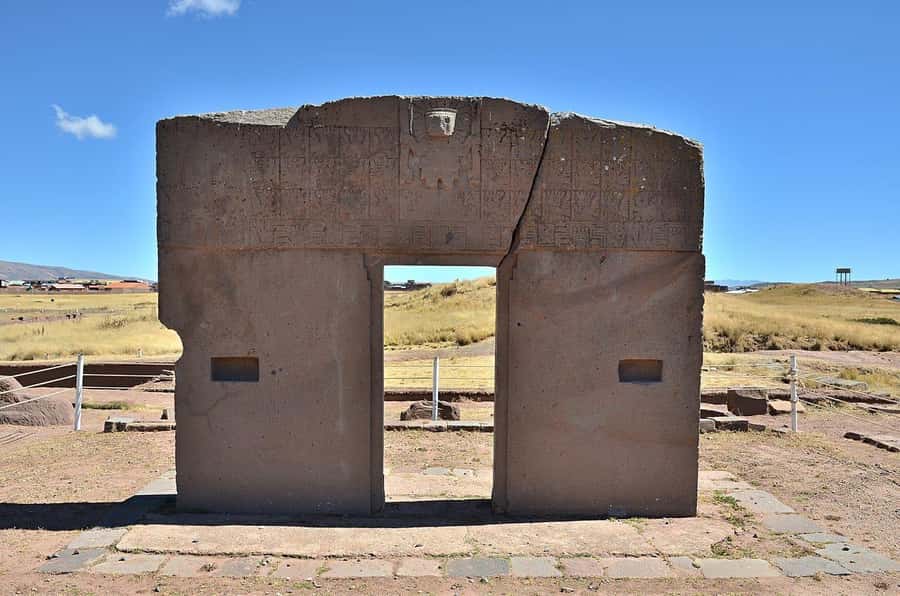
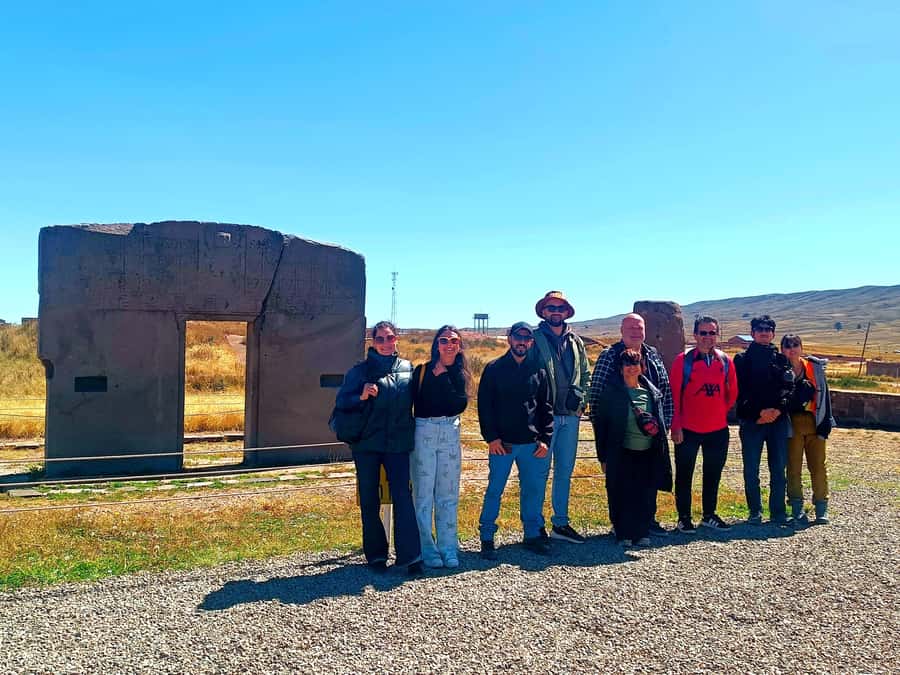
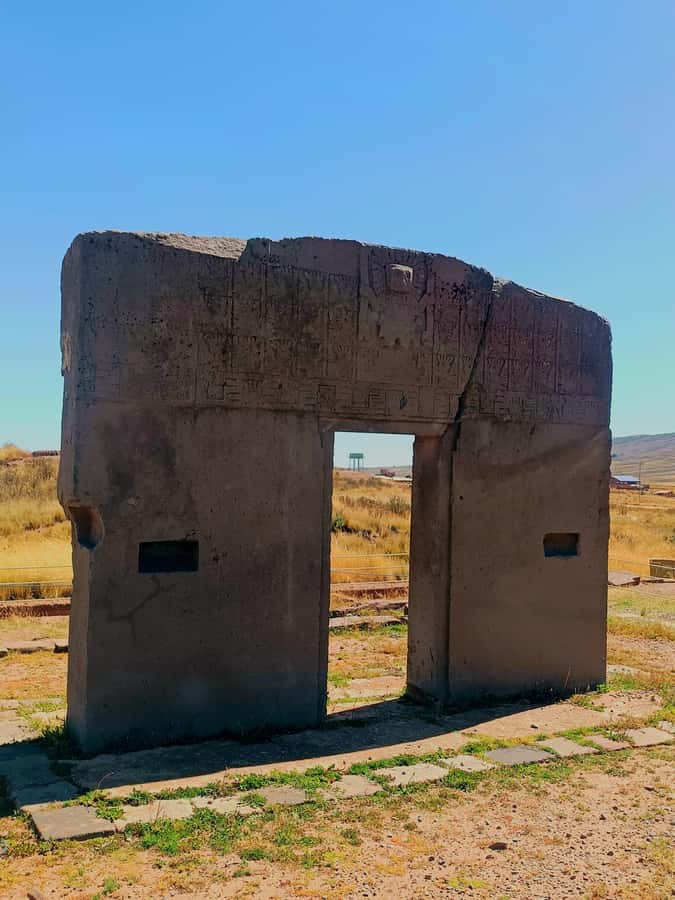
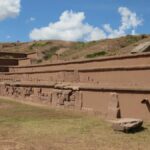
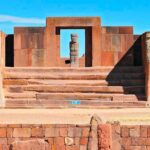
The main Tiahuanaco visit is the heart of the day. The headline sight is the largest monolith, listed as 7.30 meters high. That scale gives you a clear reason to visit in person: photographs do not fully convey how large a single carved stone can feel when you are standing beside it.
The site also connects to less familiar subjects, including cranial deformations and trepanations. Those displays add a human dimension to the visit. You are not only looking at masonry and ceremonial spaces; you are also encountering evidence and interpretation related to the people who lived in this ancient setting.
I would listen closely to the explanation around these subjects. The supplied information does not provide detailed interpretations, dates, or medical background, so the quality of the guide’s explanation will shape how much you take away. If you have specific questions about the monolith, trepanation, or cranial shaping, write them down before leaving La Paz and ask early in the tour.
The main drawback is time. The three-and-a-half-hour block includes both museums and the Tiahuanaco visit, and Puma Punku follows lunch. You may have enough time for a useful overview, but not enough for a slow, independent examination of every structure.



A 45-minute semi-buffet lunch
Lunch lasts about 45 minutes and is described as a semi-buffet featuring traditional regional dishes. The meal is served in a typical, comfortable setting near the destination. It costs an additional $6 and does not include drinks.
That extra charge is reasonable if you want the convenience of eating with the group rather than arranging food yourself. It also keeps the day moving. With a fixed schedule and another archaeological stop still ahead, a sit-down group meal is more practical than searching for a restaurant on your own.
Still, you should treat the 45 minutes as a firm limit. If you prefer a slow meal, have dietary concerns, or want to choose from a full menu, ask what the semi-buffet includes before committing. No detailed menu or dietary information is provided.
The total cost also becomes clearer here. At $45 for the tour, plus $15 for admission and $6 for lunch, you should budget at least $66 per person, not counting drinks. For that amount, you receive round-trip transport, a bilingual guide, the two museums, both archaeological areas, and the group meal arrangement. I consider that fair value if the vehicle runs on time and all planned stops take place.
Puma Punku in a short 30-minute visit
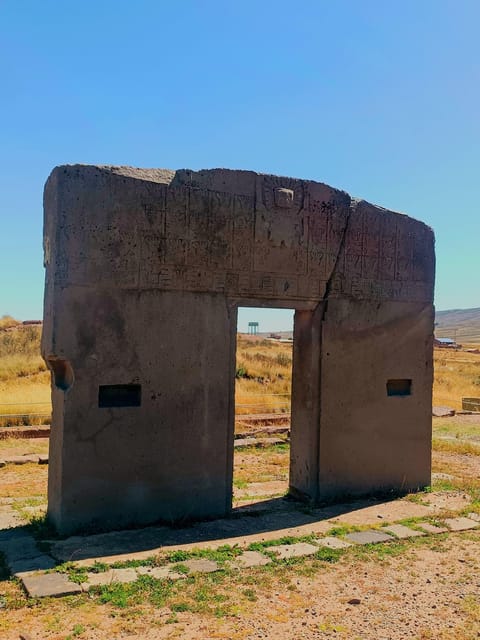
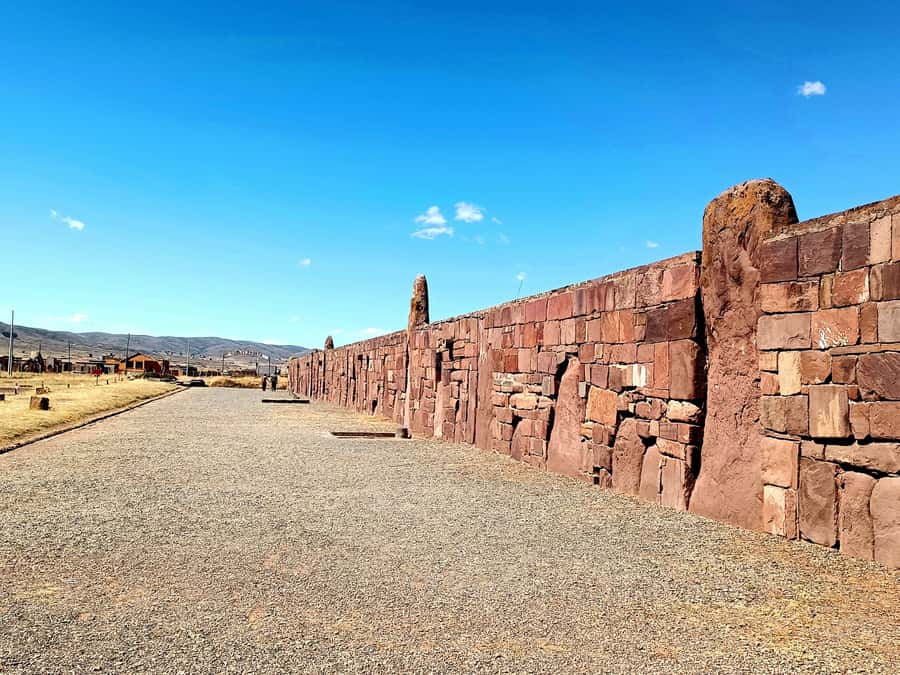
Puma Punku is scheduled after lunch for a 30-minute guided visit. This is a short stop, but it may be the most important one for you if you are particularly interested in the site’s stonework and layout.
The schedule leaves little room for error. A 30-minute visit can disappear quickly if the group arrives late, needs to regroup, or spends too long at lunch. One May 2025 booking specifically wanted to see Puma Punku but missed it because the pickup problem caused the tour to run behind.
That makes Puma Punku the clearest test of the operator’s time management. Before leaving Tiahuanaco, ask the guide to confirm that the group is still going there. If you have booked this tour mainly for Puma Punku, I would consider a private option or a tour with a stronger record of punctual departures.
You should also keep your expectations measured. The supplied schedule promises a guided half-hour, not extended free time. If you want to study the area carefully, take many photographs, or linger away from the group, this shared format may not be enough.
The return to San Francisco
After Puma Punku, the coach returns to La Paz, with the journey listed as another two hours. The scheduled finish is at the Plaza Mayor de San Francisco, near the Basilica of Saint Francis.
That central ending is useful, especially if you are staying in central La Paz. It is less convenient if your accommodation is elsewhere or if you expected to return to the same pickup point. One booking reported being dropped at a different place and then walking 20 minutes back to the original pickup area.
I would clarify the return point before departure. If you have luggage, mobility concerns, or a late connection, the exact drop-off matters. Another booking had a positive experience with a changed schedule and was helped to finish near the airport, which suggests some flexibility may be possible, but you should request that in advance rather than rely on it.
Who should book this shared tour?
I would recommend it most strongly to you if you want a straightforward first visit to Tiahuanaco and prefer having transport arranged from La Paz. The bilingual guide, museum visits, lunch plan, and return to a central city location remove several planning chores.
It also suits you if you want a broad overview rather than a specialist study day. You see several types of attraction in one outing: indoor collections, the main archaeological site, a monumental monolith, human remains-related displays, and Puma Punku.
I would be more cautious if you have back problems. The tour includes four hours of coach travel in total, walking at archaeological sites, and a long day away from the city. The activity also says it is not suitable for people with back problems, visually impaired people, or hearing-impaired people.
The wheelchair information is contradictory. One section calls the activity wheelchair accessible, while another says it is not suitable for wheelchair users. I would contact ILLIMANI HAKU before paying if accessibility affects your decision.
The tour is less suitable if you need perfect timing or have a flight afterward. It is also not ideal if Puma Punku is your one essential sight and you would be upset by a missed stop.
Practical rules and flexible booking
Drones, drinks in the vehicle, alcohol, drugs, electronic devices, and explosive substances are listed as not allowed. Alcoholic drinks in the vehicle are separately prohibited as well. Follow those rules closely, especially during the long coach rides.
The activity offers free cancellation up to 24 hours in advance for a full refund. You can also reserve now and pay later, which is useful if your La Paz schedule is still changing. I would use that flexibility while confirming the pickup point, actual duration, museum photography rules, lunch arrangements, and accessibility.
Should you book the Tiahuanaco day trip?
I would book this tour if you value convenience, want both Tiahuanaco and Puma Punku in one day, and are comfortable with a shared schedule. The combination of museums, monumental stonework, bilingual guiding, lunch, and included transport gives you solid value at $45 before the $21 in required extras.
I would not book it without confirmation if punctual pickup is crucial or if Puma Punku is your main reason for going. The strongest positive sign is the organizer’s reported flexibility when plans changed; the strongest warning is the serious delayed-pickup case that led to a missed site and an inconvenient drop-off.
Send a confirmation message, plan for an 8 AM to 5 PM day, carry no prohibited items, and keep your evening open. With those precautions, this can be a practical way to reach one of Bolivia’s most important archaeological destinations from La Paz.
FAQ
How much does the tour cost?
The tour costs $45 per person. The $15 entrance fee and $6 lunch are not included, so the listed costs total at least $66 per person before drinks.
How long does the tour take?
The activity is advertised as seven hours, but the important timing says it begins at 8 AM and finishes at 5 PM. You should plan for the longer 8 AM to 5 PM window.
Where can I be picked up in La Paz?
The listed pickup choices are Student Plaza, the Church of San Francisco, and the La Paz Bus Terminal. Hotel pickup is also stated as included, so confirm your exact pickup arrangement.
What places does the tour visit?
The planned stops are a ceramic museum, a lithic museum, the Tiahuanaco archaeological site, and Puma Punku.
Is Puma Punku included?
Yes. Puma Punku is planned as a 30-minute guided visit after lunch. Delays can affect whether the group reaches this stop.
Is lunch included in the tour price?
No. Lunch costs $6 extra and is described as a 45-minute semi-buffet with traditional regional dishes. Drinks are also not included.
What languages does the guide speak?
The live guide is available in English or Spanish.
Where does the tour finish?
The planned finish is at the Plaza Mayor de San Francisco, near the Basilica of Saint Francis in central La Paz.
Can I cancel the booking?
You can cancel up to 24 hours in advance for a full refund. The activity also offers a reserve-now-and-pay-later option.
Is the tour wheelchair accessible?
The information is conflicting. One section says the activity is wheelchair accessible, while another says it is not suitable for wheelchair users. Contact ILLIMANI HAKU before booking to confirm your specific needs.
More Guided Tours in La Paz

More Tours in La Paz

More Tour Reviews in La Paz
Not for you? Here's more nearby things to do in La Paz we have reviewed






Tiwanaku Ruins Tours, compared
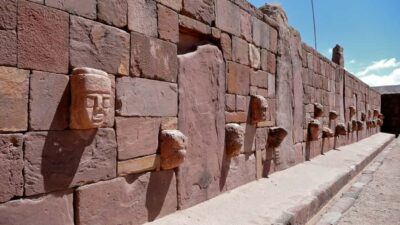 ★ 4.2La Paz: Tiwanaku Archeological Site Full-Day TourFrom $8034 reviews
 ★ 4.7From La Paz: Tiwanaku and Lake Titicaca One-Day TourFrom $21217 reviews
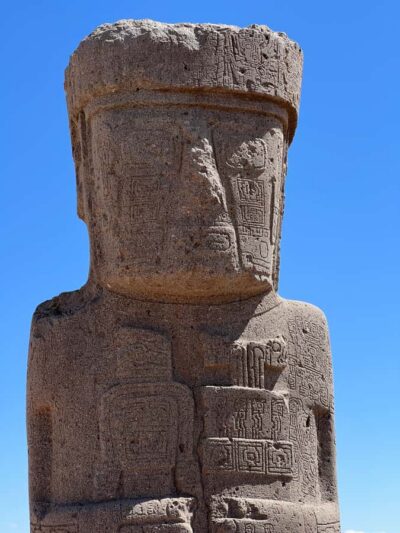 ★ 4.1Tiwanaku; Pre Incan Ruins Tours from La PazFrom $2316 reviews
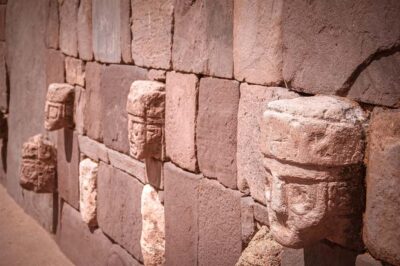 ★ 3.9La Paz: Tiwanaku Shared Tour with Lunch + Tour GuideFrom $9414 reviews
Browse the lists this tour appears in