
Reviewed · TIWANAKU RUINS TOURS
La Paz: Tiwanaku Shared Tour with Lunch + Tour Guide
Stonework makes this day trip worthwhile. I like that the $94 price includes transport, entry fees, lunch, and a bilingual guide. I also like the order of the visit: you see the museum objects before walking among Puerta del Sol, Kalasasaya, Akapana, and Pumapunku. My main caution is reliability, since the current score is 3.9 out of 5 from 14 ratings, with one no-show complaint and another low rating for the guide.
I would choose this experience if you want the practical parts handled for you rather than arranging a separate vehicle, tickets, and meal. The schedule needs a close look, though: the stated duration is 330 minutes, while the timetable runs from the 8:30 a.m. pickup to a 4:00 p.m. return. I would plan for the longer day and confirm the pickup details before setting off.
In This Review
- Five details that matter before you book
- Why Tiwanaku merits the ride from La Paz
- Meeting at Maria Auxiliadora Church at 8:30
- The museum visit gives the ruins a human scale
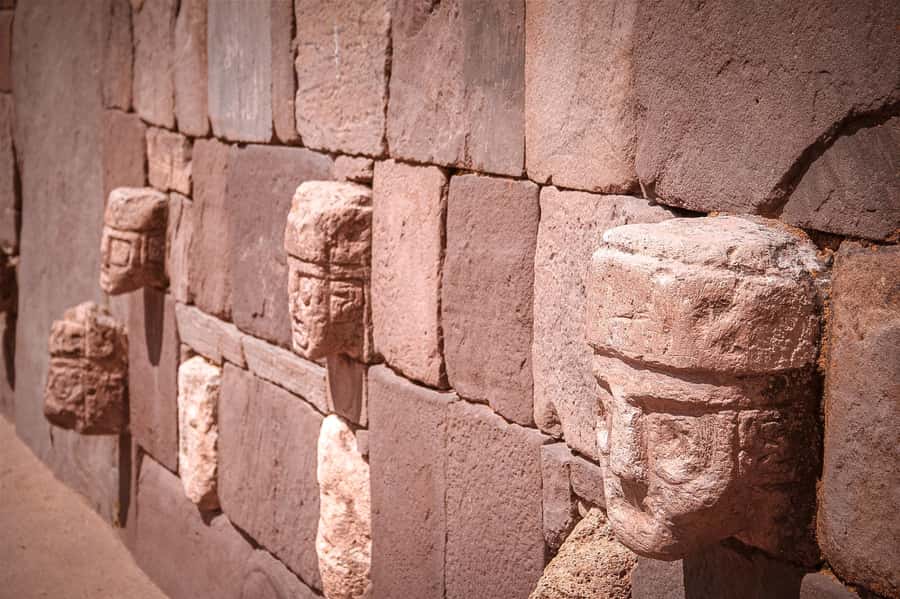
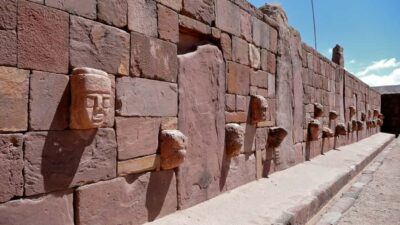
- Puerta del Sol and the stone-face wall
- Kalasasaya, Akapana, and Pumapunku
- Lunch at 1:30 and the return to La Paz
- Is $94 good value for this shared day?
- Who will enjoy this Tiwanaku experience?
- My call: book it with one important check
- FAQ
- How much does the Tiwanaku tour cost?
- How long does the experience last?
- Where is the meeting point?
- Is hotel pickup available?
- Where does the tour end?
- What is included in the price?
- Which places are visited?
- What should I bring?
- Can I cancel or pay later?
Five details that matter before you book
- Museum-first route: You see ceramics, mummies, skulls, jewelry, and other objects before visiting the ruins.
- Four major archaeological stops: The day includes Puerta del Sol, the stone-face wall, Kalasasaya, Akapana, and Pumapunku.
- Everything important is bundled: Transport, ruin and museum entry fees, lunch, and an English-Spanish guide are included.
- Central pickup and return: Meet at Maria Auxiliadora Church at 8:30 a.m.; the day ends at San Francisco Church around 4:00 p.m.
- Shared transport is flexible: The vehicle may be a car or bus, but no group size is specified.
- Bring protection from the elements: Comfortable shoes, warm clothing, sunglasses, a hat, sunscreen, and water are all recommended.
Why Tiwanaku merits the ride from La Paz
The journey begins around 9:00 a.m. from La Paz and reaches Tiwanaku at about 10:30. That makes this a proper full-day outing rather than a quick side trip, but the timing gives you several hours for both the museums and the archaeological area.
I like the way the visit combines indoor displays with outdoor ruins. If you go straight to stones and walls, it can be hard to picture the objects that once belonged to the site. Here, the ceramics, mummies, jewelry, and skulls give you something concrete to look at before the larger structures take over.
The tour is based in Bolivia’s La Paz Department. It is designed for someone who wants to see the main Tiwanaku sights in one organized sweep, not for someone looking for a slow, self-directed day. Since the tour is shared, you will follow the group’s pace and scheduled stops.
That trade-off is easy to understand. A private taxi or independently arranged visit could give you more freedom, but it would not bundle the guide, entry fees, lunch, and return transport in one price. At $94, this tour earns its value through convenience.
You can also read our reviews of more guided tours in La Paz
Meeting at Maria Auxiliadora Church at 8:30
The stated meeting point is Maria Auxiliadora Church on Avenida 16 de Julio in La Paz. The guide is expected to call customers by name, so arrive early enough to identify the group without rushing.
There is also information about downtown hotel pickup between 8:00 and 9:00 a.m. That is broader than the fixed 8:30 meeting-point time, so I would not assume your hotel is included unless it is in the downtown area and the pickup has been confirmed. The clearest plan is to use the church meeting point.
The ride to Tiwanaku begins at about 9:00. Transport may be by car or bus, and the experience is shared. No group size is provided, so you should not book this expecting a small vehicle or a quiet private outing.
The guide is described as bilingual in English and Spanish, with a certified English-speaking guide included. That is a useful feature at an archaeological site, where a short explanation can make a wall, gate, or platform more meaningful than it would be on its own.
One practical point deserves attention: the advertised 330 minutes does not match the day’s listed 8:30 a.m. to 4:00 p.m. schedule. The timetable is the safer one for planning airport transfers, dinner reservations, or another activity in La Paz.
The museum visit gives the ruins a human scale
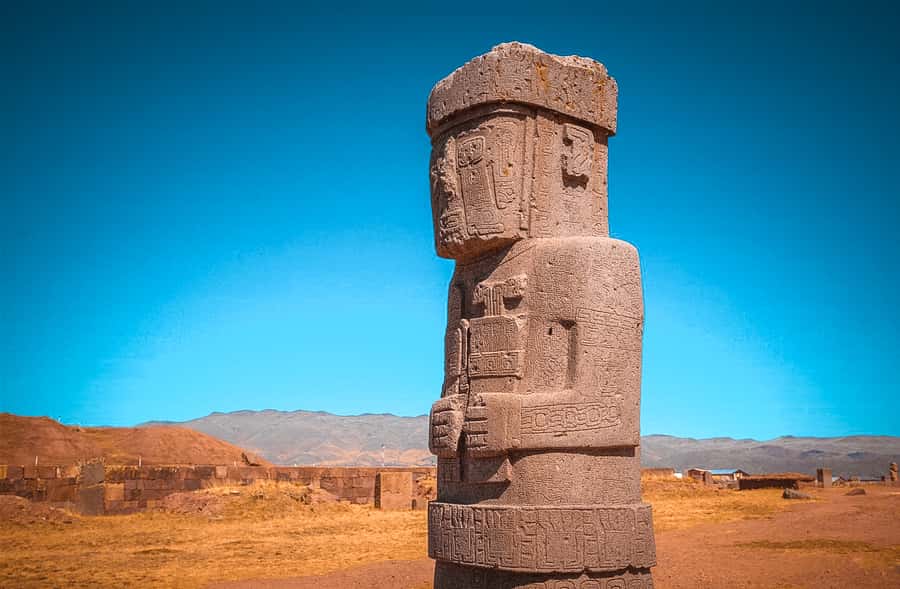
At around 10:30 a.m., the tour begins with the museum exhibition. The collection includes ceramics, mummies, Inca-Aymara skulls, jewelry, and other artifacts.
This is not just a filler stop before the famous stones. I find museum time especially useful here because small objects show details that large ruins cannot. Ceramics can reveal shapes and workmanship, jewelry gives you a closer look at decoration, and the mummies and skulls point to the people connected with the site.
You should expect an interpretive visit rather than an extended museum study session. The program moves on to the ruins afterward, so the guide will need to keep the group on schedule. If a particular artifact interests you, make a note of it and ask the guide about it while you still have the chance.
Entry fees to the museums and archaeological ruins are included. The advertised skip-the-ticket-line feature also helps protect the limited time available. It does not mean the museum will be empty, but it removes one task from your morning.
Puerta del Sol and the stone-face wall
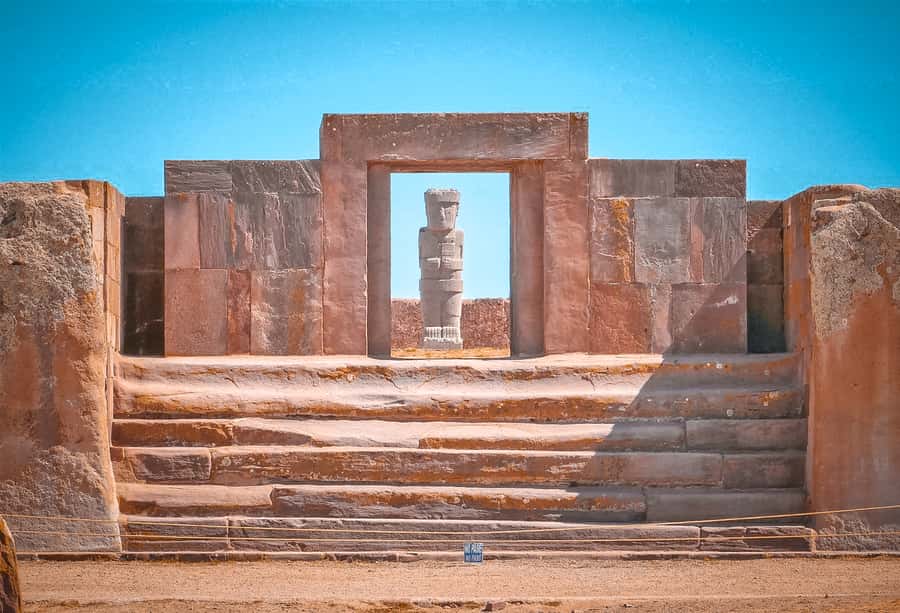
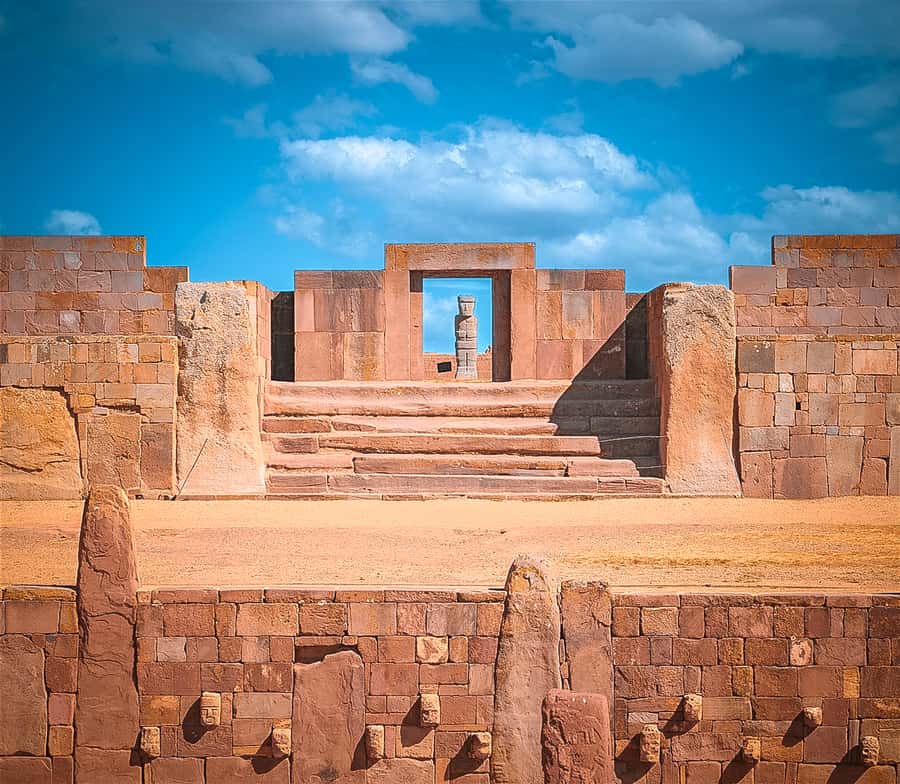
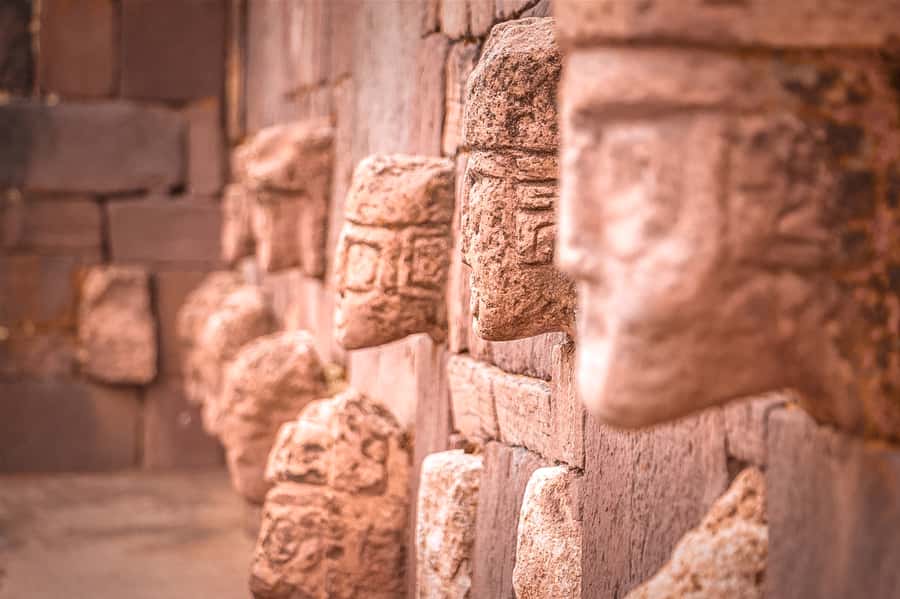
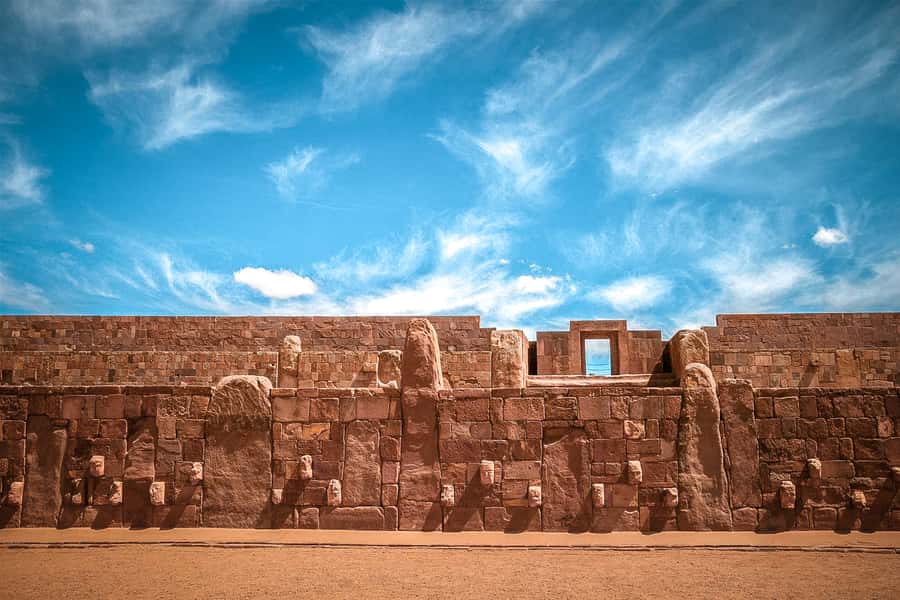
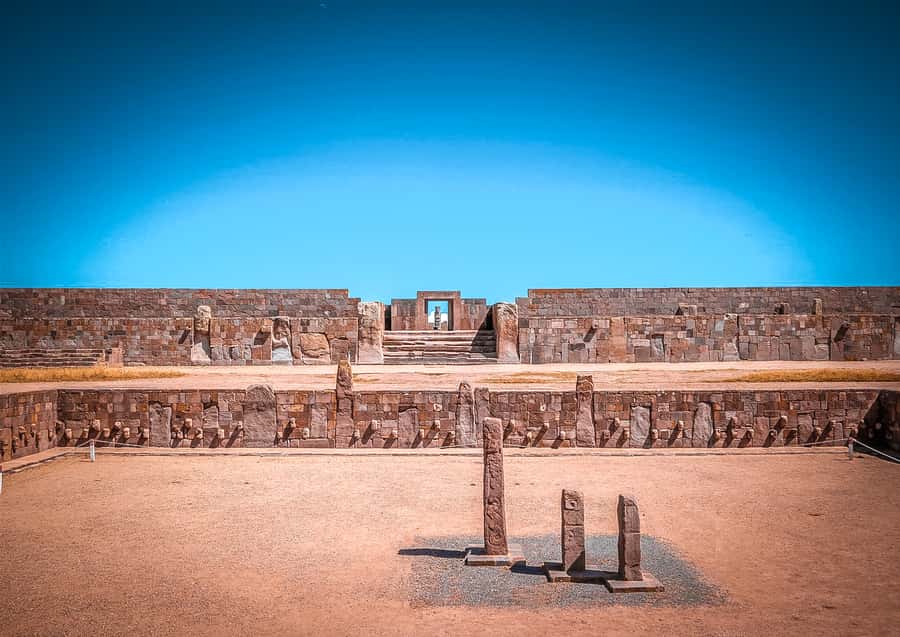
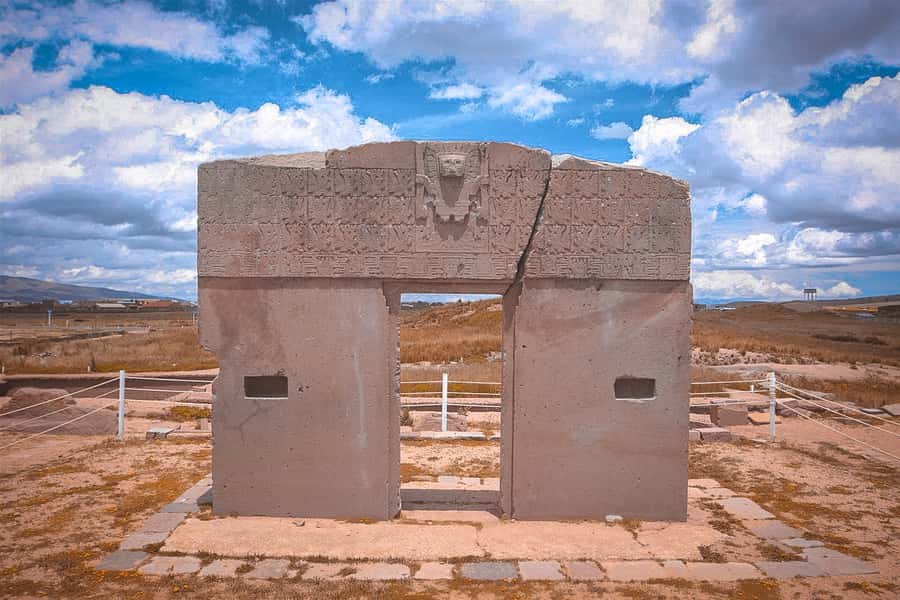
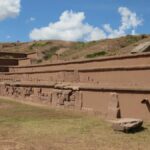
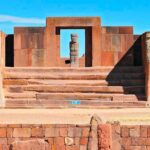
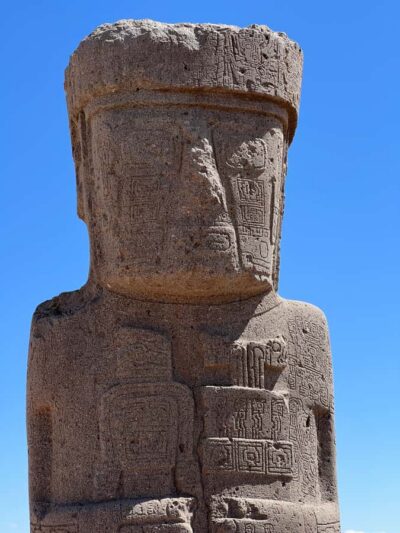
After the museum, you continue to the main Tiwanaku ruins. The route includes Puerta del Sol, one of the site’s best-known features, along with a wall decorated with stone faces.
These two stops give you very different ways to read the site. Puerta del Sol is a single, immediately recognizable structure, while the wall of stone faces rewards slower attention to repeated details. I would listen closely to the guide here, since the value of these features comes from understanding what you are looking at rather than simply taking a photograph and moving on.
The guide’s role matters most during this part of the day. One April 2025 booking described the experience as highly educational, and one September 2025 booking praised the guide leader and driver as very professional. Those comments point to the best version of this tour: clear explanations, steady transport, and a well-managed route.
Still, the guide quality has not been consistent in every account. One April 2025 booking gave a low score specifically for the guide, so I would keep your expectations sensible. The guide is included, but the depth and clarity of the commentary may depend on the person leading your group.
Kalasasaya, Akapana, and Pumapunku
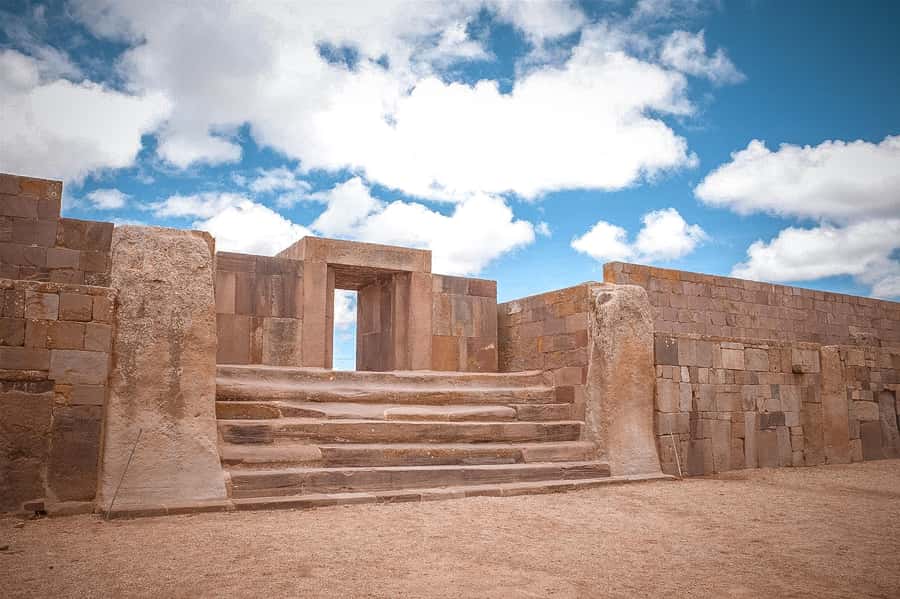
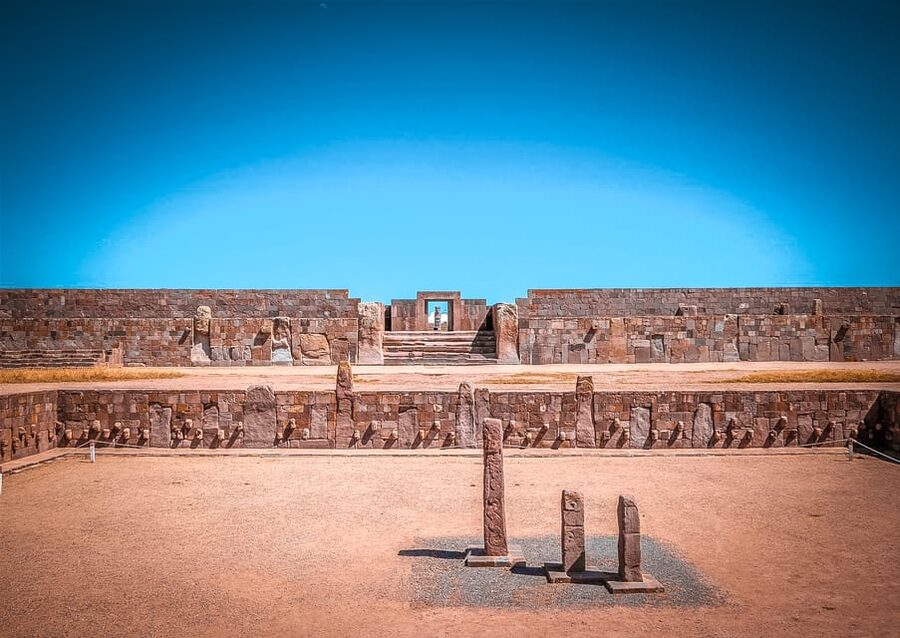
The tour then continues to Templo de Kalasasaya, Piramide de Akapana, and Pumapunku. These names represent the larger architectural part of the visit, where you move beyond individual artifacts and look at platforms, temple remains, and carefully worked stone.
Kalasasaya is presented as a temple area, while Akapana is identified as a pyramid. Pumapunku is another major ruin complex on the route. Seeing all three in one visit gives you a broad sense of the site’s scale and variety, even though the shared schedule will not allow unlimited time at each location.
I would wear shoes that can handle steady walking and choose comfortable clothes. The supplied packing advice also calls for warm clothing, sunglasses, a sun hat, sunscreen, and water. Those recommendations are worth taking seriously: the tour spends a substantial part of the day outside, and you will be more attentive if you are comfortable.
Do not expect a museum-style visit with every detail labeled at your own pace. This is a guided overview. Its strength is coverage: you get the major named ruins, the museum displays, and the practical support of transport and tickets in one day.
A few more La Paz tours and experiences worth a look
Lunch at 1:30 and the return to La Paz
Lunch is scheduled for about 1:30 p.m., after the archaeological visit. It is included in the price, which makes the day easier to manage and keeps you from having to leave the site to find a meal.
Extra drinks are not included, so bring water and budget separately for anything beyond the provided lunch. The information does not specify the menu, restaurant, or dietary arrangements, so contact the provider in advance if you have food requirements.
The return journey begins at approximately 2:30 p.m. Arrival is scheduled for 4:00 p.m. at San Francisco Church in La Paz. That fixed drop-off is convenient if you are staying or meeting someone in the central area, but it is not a hotel return for everyone.
I would avoid booking a tight connection immediately afterward. The schedule already contains a time discrepancy, and road conditions or group delays can affect a shared excursion. Treat the 4:00 p.m. arrival as the planned time, not a guarantee for a later commitment.
Is $94 good value for this shared day?
The price makes reasonable sense if you want a packaged visit. You are paying for round-trip transportation, an English-Spanish guide, entry to the museums and archaeological ruins, and lunch. Buying those elements separately could require more planning, more cash handling, and more time arranging transport.
The value is strongest for you if this is your first visit to Tiwanaku and you want help making sense of the main stops. It also suits a short stay in La Paz, since the route covers the principal named attractions in a single outing.
The value is less certain if you dislike fixed schedules or want to linger over individual museum pieces. You also have no stated group size, so the shared format may feel less personal than a private guide.
The score of 3.9 out of 5 from 14 ratings is mixed rather than outstanding. Two positive accounts praised the educational quality and the professionalism of the guide leader and driver. At the same time, one booking reported that nobody appeared, and another described the guide very poorly. I would take that operational concern seriously and confirm the meeting point, pickup time, and emergency contact before the day begins.
Who will enjoy this Tiwanaku experience?
I would recommend the tour to you if you want a straightforward way to combine museums and ruins without handling tickets or transport. It is also a good fit if you value English-language explanation and prefer a planned route over independent wandering.
You may want another option if you need guaranteed hotel pickup, a private vehicle, a known guide by name, or a precisely timed return. The available details do not provide a group size, vehicle guarantee, guide name, lunch menu, or accessibility information.
Pack light but cover the basics: warm layers, comfortable shoes, sunglasses, a hat, sunscreen, and water. Keep your plans flexible until after the 4:00 p.m. return.
My call: book it with one important check
I would book this tour if the all-in price and museum-to-ruins route match what you need. The combination of Puerta del Sol, Kalasasaya, Akapana, Pumapunku, museum exhibits, lunch, and bilingual guiding gives you a lot in one day.
Before paying, confirm that your pickup is at Maria Auxiliadora Church at 8:30 a.m., ask how the downtown hotel pickup applies to you, and verify the transport and return arrangements. That quick check addresses the main weakness shown by the mixed score. If the provider confirms everything clearly, this is a practical and potentially educational way to reach Tiwanaku from La Paz.
FAQ
How much does the Tiwanaku tour cost?
The tour costs $94 per person.
How long does the experience last?
The stated duration is 330 minutes. However, the schedule runs from the 8:30 a.m. pickup until arrival at San Francisco Church around 4:00 p.m., so you should plan for the longer timetable.
Where is the meeting point?
The meeting point is Maria Auxiliadora Church on Avenida 16 de Julio in La Paz. The meeting time is 8:30 a.m., and the guide will call customers by name.
Is hotel pickup available?
Pickup is described for downtown hotels between 8:00 and 9:00 a.m. The fixed meeting-point information says 8:30 a.m. at Maria Auxiliadora Church, so confirm which arrangement applies to you.
Where does the tour end?
The scheduled arrival point is San Francisco Church in La Paz at approximately 4:00 p.m.
What is included in the price?
The price includes a bilingual English-Spanish guide, round-trip transportation, entrance fees to the archaeological ruins and museums, and lunch.
Which places are visited?
The experience includes the Tiwanaku museums, Puerta del Sol, the wall of stone faces, Templo de Kalasasaya, Piramide de Akapana, and Pumapunku.
What should I bring?
Bring comfortable shoes, warm clothing, sunglasses, a sun hat, sunscreen, water, and comfortable clothes.
Can I cancel or pay later?
You can cancel up to 24 hours in advance for a full refund. A reserve-now-and-pay-later option is also available.
More Guided Tours in La Paz

More Tours in La Paz



More Tour Reviews in La Paz

Not for you? Here's more nearby things to do in La Paz we have reviewed






Tiwanaku Ruins Tours, compared
 ★ 4.2La Paz: Tiwanaku Archeological Site Full-Day TourFrom $8034 reviews
 ★ 4.7From La Paz: Tiwanaku and Lake Titicaca One-Day TourFrom $21217 reviews
 ★ 4.1Tiwanaku; Pre Incan Ruins Tours from La PazFrom $2316 reviews
 ★ 4.5From La Paz: Tihuanacu & Titicaca Lake in one day with lunchFrom $2197 reviews
Browse the lists this tour appears in