
Reviewed · UYUNI SALT FLATS TOURS
Uyuni: 3-Days Salt Flats and Desert Adventure Tour with Food
Salt can turn the horizon into a mirror. This $200, three-day 4×4 trip takes you from Uyuni’s old train cemetery across the famous salt flats and into Bolivia’s far southern desert. I love that the route goes well beyond the Salar de Uyuni, and I like the chance to see flamingos, geysers, hot springs, and the strange Stone Tree in one compact trip.
The main caution is comfort. The second night’s hostel may be basic, and the salt hotel is not available during the rainy season. I’d also confirm your booking directly with Salty Desert Aventours before arriving, since one booking issue resulted in a passenger finding no place in the group.
This is a big-scenery trip rather than a polished resort outing. You’ll spend long stretches in a 4×4, eat simple included meals, and sleep in basic accommodation, but the scenery gets more dramatic each day. If you want only salt-flat photographs, a one-day trip may be enough; if you want the full Bolivian desert experience, three days is the better choice.
- Train cemetery before breakfast: Rusting locomotives near Uyuni provide an atmospheric first stop and easy photo subjects.
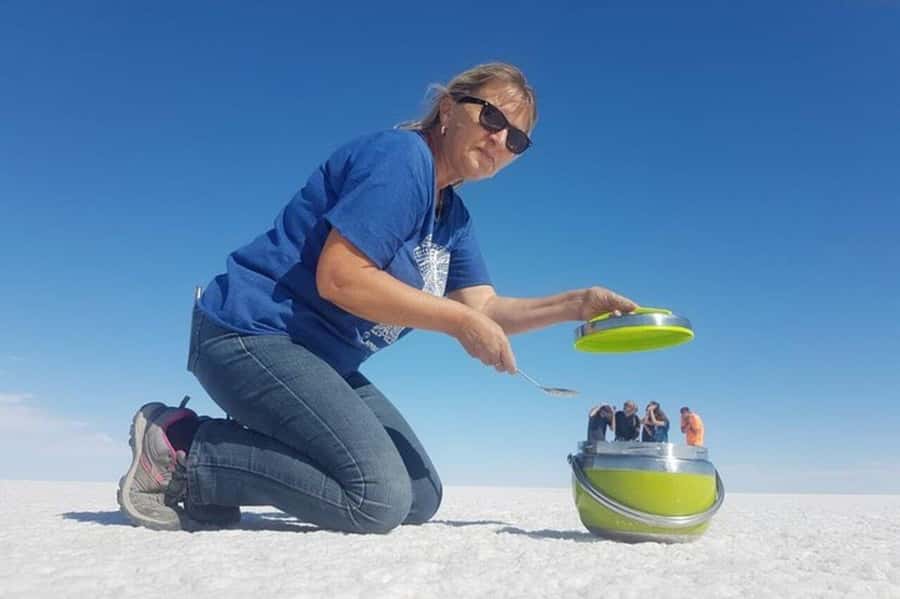
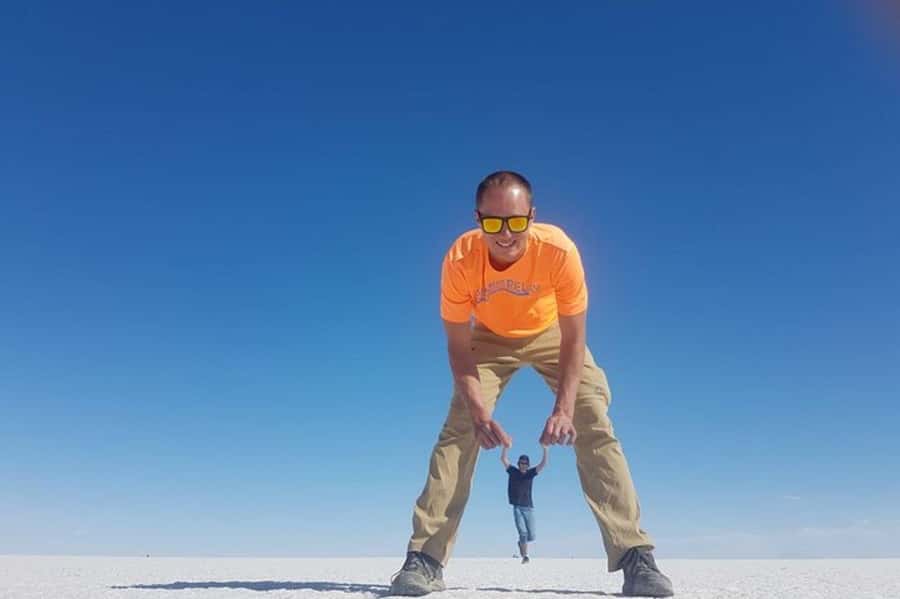
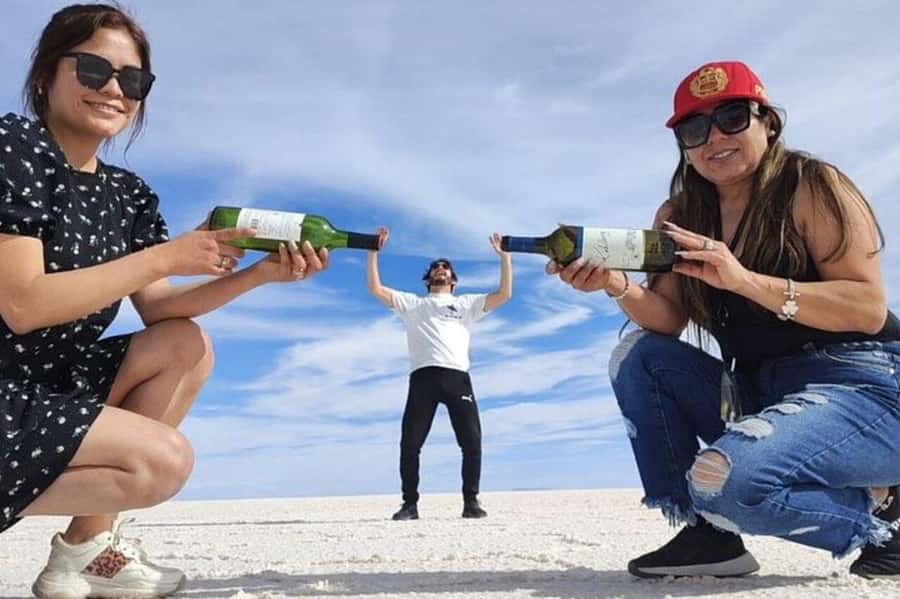
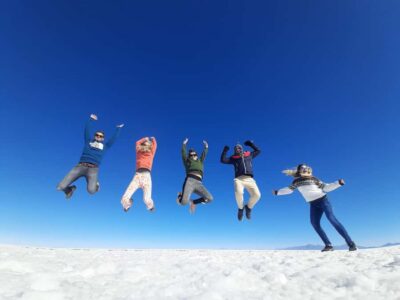
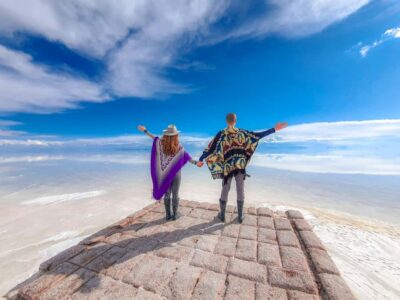
- Salt flats with perspective tricks: The white surface lets you create forced-perspective photographs that make people and objects look tiny or huge.
- Three flamingo lakes in one day: Cañapa, Hedionda, and Chiarkota offer repeated chances to see three flamingo species.
- A red lake beside a white desert: Laguna Colorada is the visual high point, with red water and flamingos set against bare volcanic country.
- An efficient finish in Chile: You can end in San Pedro de Atacama instead of returning to Uyuni, potentially avoiding about eight hours of backtracking.
In This Review
- Why the three-day route is worth your time
- 10:30am start at Uyuni’s train cemetery
- Colchani and the working side of salt
- Playa Blanca, the Dakar monument, and the salt horizon
- Day two: flamingo lakes and the Ollague Volcano view
- Siloli Desert and the Stone Tree
- Laguna Colorada: the visual high point
- Before dawn: Sol de Mañana geysers
- Polques hot springs and the Salvador Dali Desert
- Laguna Verde and choosing your final destination
- Food, packing, and cold-weather comfort
- Who should book this $200 desert circuit?
- Should you book the Salty Desert Aventours tour?
- FAQ
- What time does the tour start?
- How long does the tour last?
- What transportation is used?
- Are meals included?
- Is accommodation included?
- Can I finish the tour in Chile?
- Is the tour conducted in English?
- What should I bring?
Why the three-day route is worth your time
Uyuni’s salt flats are the headline attraction, but the second and third days bring the greater variety. The white salt field is enormous and memorable, yet the route’s real strength is how quickly the scenery changes afterward.
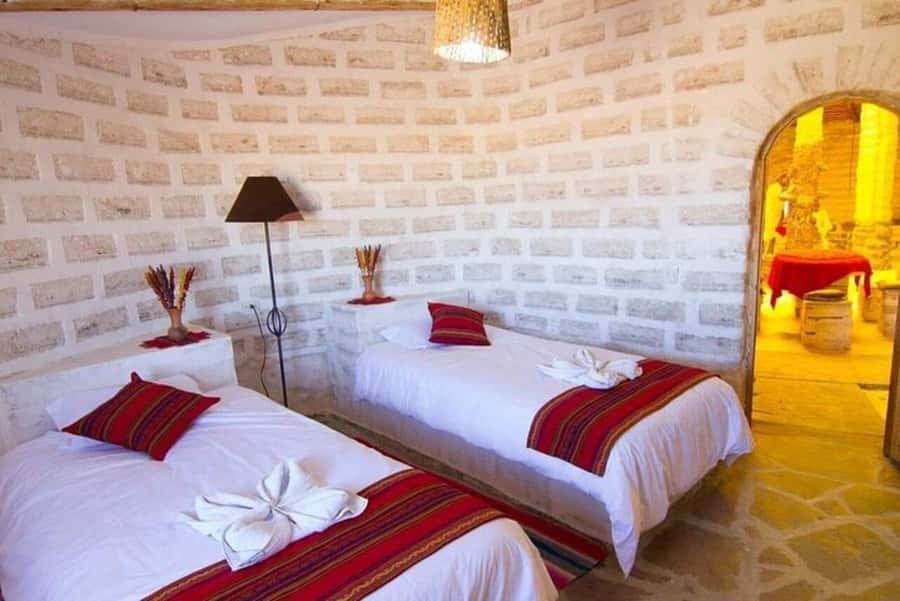
At $200 per person, the cost covers 4×4 transportation, meals, vegetarian options, one night in a salt hotel, two nights in a hostel, and an oxygen tank. Entrance fees, sleeping bags, extra snacks, and drinks cost more. That makes the price look fair on paper, especially since the trip covers a large area and includes lodging.
You should still budget for water and small purchases. The practical advice is to carry two liters of water per person, and you may need to buy breakfast on the first day and dinner on the final day. Bring extra Bolivianos for entrance charges, but the exact amounts are not provided here.
The group is limited to 15 people, with an English-speaking guide. That is small enough to feel more manageable than a large coach trip, although the actual 4×4 arrangement is not specified. You should be ready for shared transport and a full schedule rather than private, flexible touring.
10:30am start at Uyuni’s train cemetery
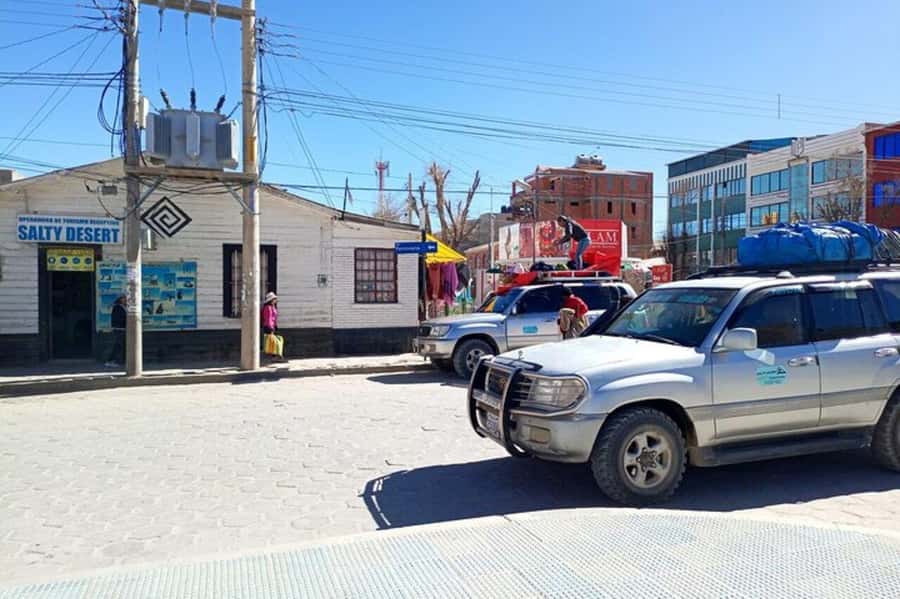
Your day begins at the Salty Desert office in Uyuni at 10:30am. That later departure gives you a little time to reach the office, buy water, and check your luggage before setting out.
The train cemetery is an unusual opening stop. Old locomotives sit rusting in the open desert, their metal frames weathered by sun, wind, and salt. It is not a museum in the polished sense, but that is part of its appeal. You can walk around the abandoned engines and frame stark photographs against the empty surroundings.
This stop also sets the tone for the trip. You are not moving from one formal attraction to another. Much of the pleasure comes from unusual objects, broad horizons, and the sense that the environment is bigger than the roads crossing it.
You can also read our reviews of more tours and experiences in Uyuni.
Colchani and the working side of salt
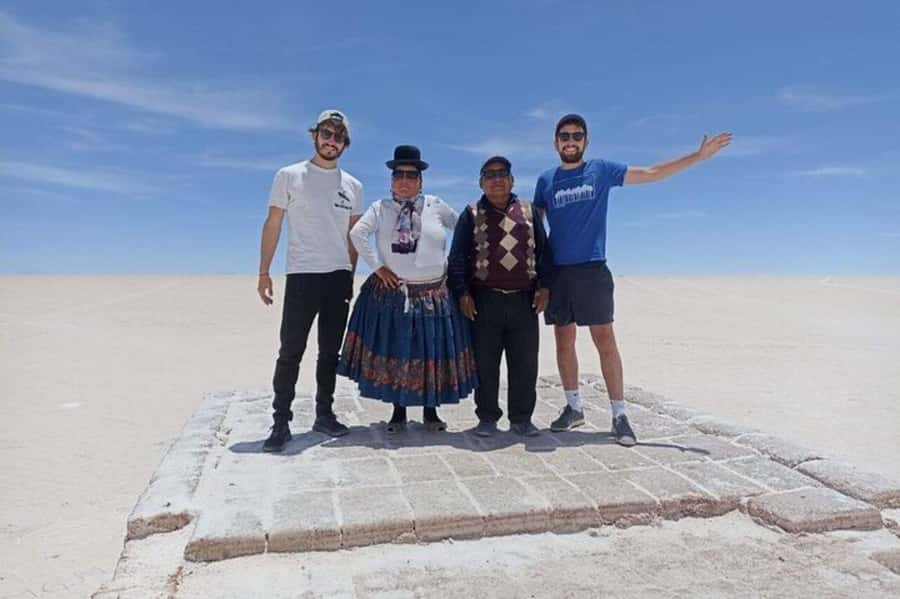
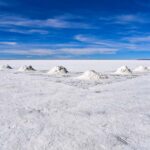
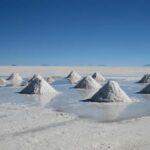
Next comes Colchani, a village tied to the salt trade. Here you can learn about traditional salt processing before entering the Salar de Uyuni itself.
That stop adds useful context to what might otherwise be a purely scenic visit. The salt flat is not just a blank white surface for photographs; it also supports local work and small-scale production. If you want to buy souvenirs or see how salt is handled, Colchani is the place to pay attention.
The transition from village to salt flat is dramatic. One moment you are among buildings and roadside activity; soon you are surrounded by a vast white field with few visual markers. You’ll want sunglasses here, since the bright surface can be hard on your eyes even when the air feels cool.
Playa Blanca, the Dakar monument, and the salt horizon
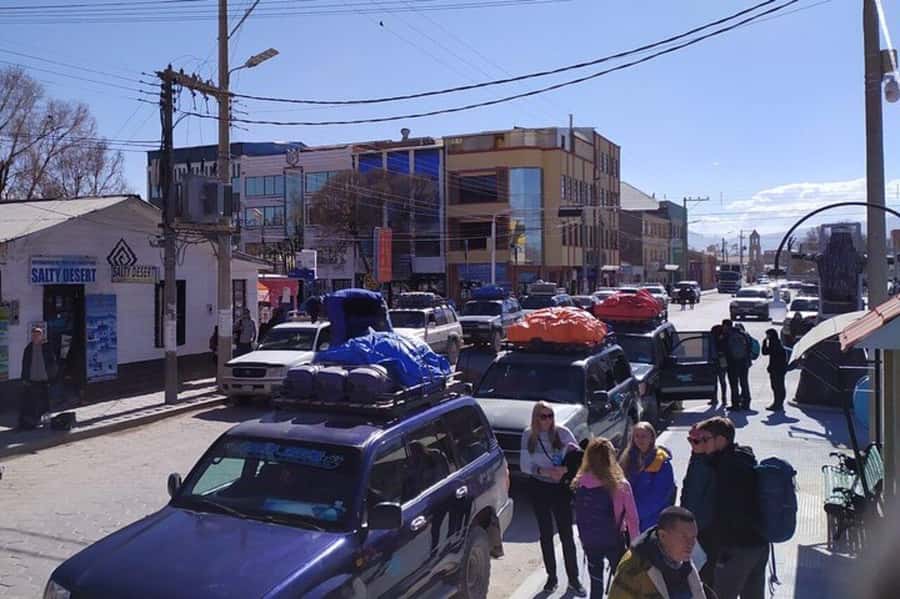
The route continues to the Playa Blanca Salt Museum and the well-known Salt Dakar monument. The museum gives you another chance to see how local identity and salt are linked, while the monument provides one of the classic stops for photographs.
Lunch is served here before the 4×4 heads farther into the salar. The included meals are a useful part of the package, and vegetarian food is available, but you should not expect restaurant-style choice or service. If you need snacks between meals, bring them yourself.
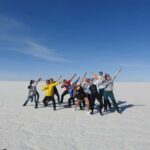
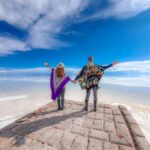
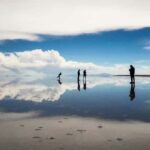
The central salt flat is where the playful photographs begin. The perfectly open surface makes forced perspective easy: you can appear to hold another person in your hand, stand beside a giant object, or create any number of simple visual tricks. Bring a few ideas, but do not overplan every photograph. The best images often come from the space itself.
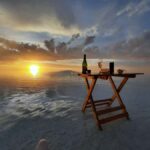
A sunset view may be possible depending on the season. The trip’s advertised sunrise over the salt flats deserves a small clarification, however. The stated departure is 10:30am, so ask Salty Desert Aventours exactly which morning includes sunrise and how that timing works. If sunrise is your main reason for booking, you should not leave that detail vague.
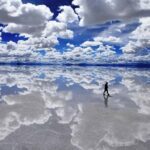
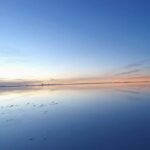
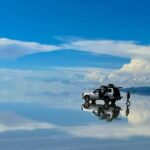
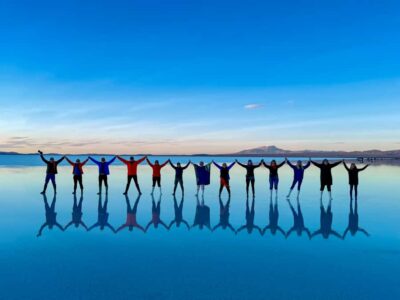
During the rainy season, the salt hotel is not possible. The flats may take on their famous mirror effect during wet conditions, but the lodging arrangement changes. Confirm both the season-specific route and your overnight accommodation before you pay.
Day two: flamingo lakes and the Ollague Volcano view
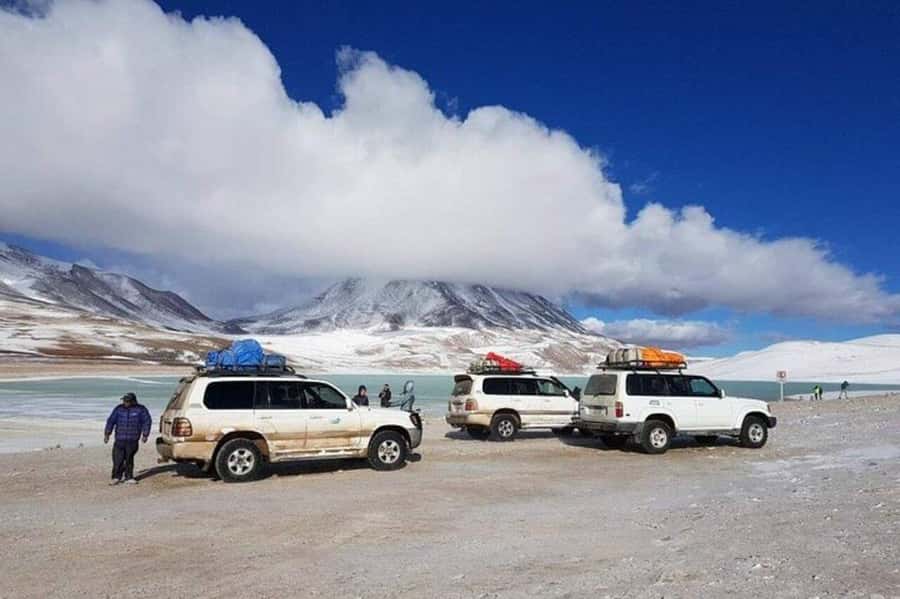
Day two starts after breakfast with the Salar de Chiguana and a viewpoint toward Ollague Volcano. This is when the tour shifts from the clean geometry of white salt to more rugged volcanic country.
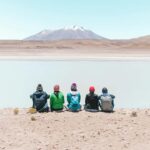
The Ollague viewpoint gives you a sense of the region’s scale. You’ll see broad open ground, volcanic forms, and a horizon that rarely feels crowded. The point is less about one single object than about the contrast with the salt flat from the day before.
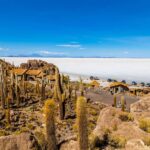
Then come Lakes Cañapa, Hedionda, and Chiarkota. These stops are especially valuable for wildlife photography because you have more than one chance to see flamingos in their natural setting. Laguna Colorada is known for three species of flamingos, and the lakes along the route help you understand that these birds are part of a wider high-desert ecosystem rather than a one-stop attraction.
The colors can be subtle or striking depending on light and conditions. Keep your camera ready, but also take time to watch the birds rather than treating each lake as a quick photo stop. The open setting makes the flamingos feel far removed from a zoo enclosure.
You should also expect a fairly active day. The route links several distant points, so the appeal comes from the sequence of changing views. If you prefer slow mornings and long café stops, this will feel busy. If you want maximum scenery in limited time, the packed schedule works in your favor.
Siloli Desert and the Stone Tree
After the flamingo lakes, the 4×4 crosses the Siloli Desert. The desert’s bare rock formations and wide empty spaces give this section a different mood from both the salt flats and the lakes.
The Stone Tree is the famous formation here. Wind and erosion have shaped the rock into an oddly balanced form, making it one of the easiest places to understand why this region is often compared to Salvador Dali’s paintings.
You’ll want a jacket for this part of the trip, especially if you are visiting in June. The desert can be very cold even when the sun is strong. Sunglasses, sunscreen, a hat, and weather-appropriate layers are not optional extras on a route with so little shelter.


Laguna Colorada: the visual high point
Laguna Colorada is the major finish to day two. Its red hue comes from the conditions in the lake, and the color looks especially striking against the pale desert and volcanic surroundings.
The lake is also home to flamingos, so this stop combines the trip’s strongest color contrast with its best wildlife opportunity. The sight can change with sunlight, weather, and viewing conditions, but you should expect a powerful, unusual scene rather than a conventional blue-water lake.
Accommodation after this day is the biggest comfort question. The package includes hostel nights, and the second night has been described as particularly poor. I would ask what type of accommodation is being used on your departure date, what bedding is supplied, and whether you need to bring your own sleeping bag.
Sleeping bags are not included. A flashlight is also on the recommended packing list, and it is a sensible item for basic accommodation and an early departure.
Before dawn: Sol de Mañana geysers
The final day begins early at the Sol de Mañana geysers. This means you should expect a cold start and little time for a relaxed breakfast.
The geyser field brings steam, volcanic ground, and a strong sense of motion after the stillness of the salt flats. It is one of the places where the route feels most otherworldly. Keep your clothing warm and follow the guide’s directions around the active areas.
An oxygen tank is carried as part of the tour equipment. That does not replace personal medical planning, but it is a reassuring inclusion on a route that reaches remote volcanic country. If you have health concerns, ask the operator for details before booking.
Polques hot springs and the Salvador Dali Desert
After the geysers, you can relax in the Polques hot springs. The chance to soak in warm water while surrounded by volcanic desert is one of the trip’s best changes of pace.
Bring a swimsuit and a towel if you plan to enter the springs, although neither is listed among the required items. The water can feel especially welcome after the cold morning, but you should not treat the stop as a spa visit. This is a remote, simple setting, valued mainly for the contrast between hot water and stark desert scenery.
The route then passes through the Salvador Dali Desert. Its rock formations and empty stretches are said to resemble the surreal shapes in Dali’s paintings. You do not need to be an art expert to appreciate the comparison; the forms look strange because they seem placed in the wrong world.
This is another strong photography section, but the views work best when you allow your eye to adjust to the scale. A rock formation that looks small from the vehicle can become more impressive when set against the enormous open space around it.
Laguna Verde and choosing your final destination
The final major sight is Laguna Verde, a green lake near the end of the route. It gives you one more bold color change after the white salt, red Laguna Colorada, dark volcanic rock, and warm springs.
The tour can end with a return to Uyuni or continue toward San Pedro de Atacama in Chile. If Chile is already part of your plan, finishing in San Pedro can be the smarter choice. It may save roughly eight hours of extra driving compared with looping back to Uyuni, and it avoids repeating a large section of the route.
You should decide this before booking because your onward transport, border plans, and accommodation need to match the final drop-off. The listed end time is 6pm on the third day, so avoid arranging a tight connection that leaves no room for delays.
Food, packing, and cold-weather comfort
Meals are included, and vegetarian options are available. Still, you should carry extra snacks and drinks because those are not included, and the route spends long periods far from ordinary shops.
Pack the following:
- Sunglasses and sunscreen for the bright salt surface
- A sun hat
- Warm, weather-appropriate clothing
- Two liters of water per person
- A flashlight
- A sleeping bag
- Any snacks or drinks you want between meals
The June experience can be especially cold, even with plenty of sunshine. You need layers rather than one heavy item, since the temperature can change sharply between sunny daytime stops, cold mornings, and the hot springs.
The rainy season needs separate planning. The salt hotel is unavailable then, and the flats may offer a different visual experience from the dry-season surface. Ask how the overnight stays change before assuming you will sleep in a salt-built hotel.
Who should book this $200 desert circuit?
I would recommend this tour to you if you want a broad introduction to southwestern Bolivia and prefer one organized route over arranging separate transport between remote sites. It suits people who value dramatic scenery, wildlife, photography, and a clear three-day plan.
It is also a strong choice if San Pedro de Atacama is your next destination. The Chile finish can reduce backtracking and make the tour part of a larger Bolivia-Chile route.
I would be more cautious if you need comfortable lodging, private transport, a flexible schedule, or reliable luxury service. The basic hostels, sleeping-bag requirement, cold mornings, extra entrance fees, and long 4×4 days are central parts of the deal.
The English-speaking guide and group limit of 15 are helpful, but the booking problem reported for one departure means you should confirm the date and meeting point directly. Free cancellation up to 24 hours before departure and the reserve-now-pay-later option add flexibility, but they do not remove the need to check that your reservation is actually recorded.
Should you book the Salty Desert Aventours tour?
Book it if you want more than the salt flats. The strongest reason to choose this trip is the progression from rusting trains and salt processing to flamingo lakes, Laguna Colorada, geysers, hot springs, and Laguna Verde.
At $200, the package offers good practical value if the included 4×4, meals, and lodging match your expectations. Confirm the salt-hotel arrangement in the rainy season, ask about the second hostel night, carry water and warm clothing, and choose San Pedro as your endpoint if that fits your plans.
If your priority is a sunrise photograph on the salt flats or a comfortable night’s sleep, ask precise questions before booking. If your priority is seeing the widest possible range of Bolivia’s desert scenery in three days, this route gives you a lot for the money.
FAQ
What time does the tour start?
The tour starts at 10:30am at the Salty Desert office in Uyuni.
How long does the tour last?
The experience lasts three days and is scheduled to end at 6pm on the third day.
What transportation is used?
Transportation is provided by 4×4 vehicle.
Are meals included?
Meals are included, with vegetarian options available. You may need to buy breakfast on the first day and dinner on the final day, and extra snacks and drinks are not included.
Is accommodation included?
Yes. The package includes one night in a salt hotel and two nights in a hostel. The salt hotel is not available during the rainy season, so confirm the arrangement before booking.
Can I finish the tour in Chile?
Yes. You can choose to return to Uyuni or continue to San Pedro de Atacama in Chile.
Is the tour conducted in English?
Yes. The tour has a live English-speaking guide.
What should I bring?
Bring sunglasses, a sun hat, sunscreen, two liters of water per person, weather-appropriate clothing, and a flashlight. Sleeping bags are not included, so you should bring or arrange one separately.
More Tours in Uyuni
More Tour Reviews in Uyuni
Not for you? Here's more nearby things to do in Uyuni we have reviewed
Uyuni Salt Flats Tours, compared
 ★ 4.5From La Paz: Uyuni Salt Flat Tour & Overnight Roundtrip BusFrom $275327 reviews
 ★ 4.5Uyuni tour express from La Paz by busFrom $269172 reviews
 ★ 4.4From Uyuni: Red Lagoon & Uyuni Salt Flats 3-Day Guided TourFrom $354160 reviews
 ★ 4.3La Paz: 5-Day Uyuni Salt Flats by BusFrom $486153 reviews
Browse the lists this tour appears in