
Reviewed · UYUNI SALT FLATS TOURS
Uyuni: 3 day-tour, salt flats & surrealistic deserts
Salt makes the world look unreal. This three-day Uyuni trip combines the world’s largest salt desert with Incahuasi Island’s giant cacti, colored lagoons, geysers, hot springs at 4,500 meters, and wide-open desert scenery. I like the small-group format and the fact that full meals are included, including solid vegetarian portions when requested. The trade-off is clear: this is a rough, cold, high-altitude journey, not a comfortable resort holiday.
I also like the range of sights. You move from rusting train cars to blinding white salt, then on to red and green lagoons, Andean wildlife, steaming geysers, and strange desert formations. The main point to check before paying is the language setup, since the English-speaking guide is an optional part of the arrangement.
At $437 per person, the price is reasonable for three days of 4WD transport, meals, guides, pickup, and two nights of lodging in a remote part of Bolivia. You should still budget for entrance fees, bathrooms, water, and warm clothing.
In This Review
- Five things to know before you go
- Day One: Rusting Trains, White Salt, and Giant Cacti
- Day Two: Red Lagoons, Green Water, and Geysers
- Day Three: Hot Springs and Surreal Desert
- What $437 includes—and what it does not
- The guide and group setup matter
- Cold, altitude, and basic comforts
- What to pack for three days in the salt desert
- Who will enjoy this route most?
- Should you book this Uyuni tour?
- FAQ
- What is included in the $437 price?
- How basic are the accommodations?
- Is hot water guaranteed?
- What entrance fees must I pay separately?
- How large is the group?
- When is pickup in Uyuni?
- Can weather change the route?
Five things to know before you go
- The salt flats change with the season: From May to September, clear skies are common for photography. From December to April, rain can create the famous mirror effect, but flooding may force route changes.
- The scenery comes with serious road time: Expect rough, unpaved, bumpy roads in a 4WD vehicle.
- Both nights are basic: The first is a salt hostel with a private bathroom; the second is an especially simple refuge with a private bathroom.
- Hot springs are high and cold: You can swim at about 4,500 meters, but hot water at the lodging is available only around 75 percent of the time.
- Carry cash and personal water: Incahuasi Island, the hot springs, the reserve, and roadside bathrooms all cost extra.
Day One: Rusting Trains, White Salt, and Giant Cacti
Pickup is available from your hotel, the airport, or the bus station in Uyuni. If you are already in town, collection is scheduled for about 10:30–10:45 a.m.; wait in your accommodation lobby. If your bus or train arrives early, you can wait at the operator’s office until the group leaves.
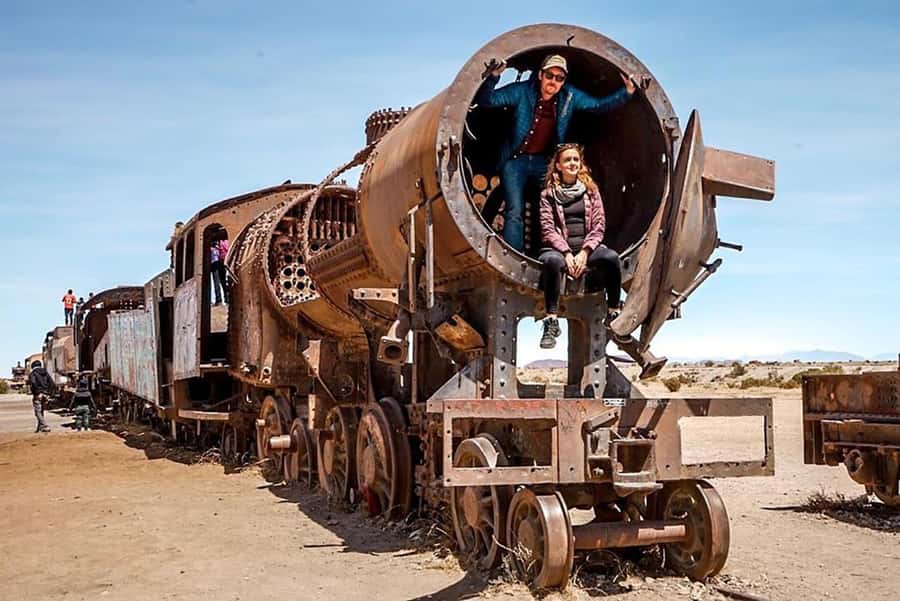
The first stretch introduces you to the odd character of the region. The train cemetery, with its old railway equipment slowly weathering in the open air, feels like an outdoor museum without walls. It is a quick but memorable stop, and the rusty metal looks especially stark against the pale ground and empty horizon.
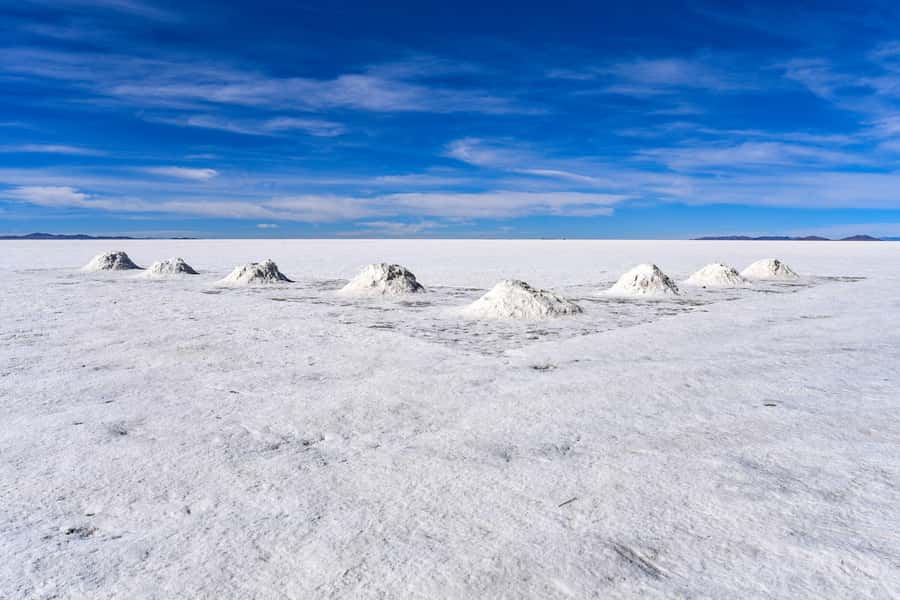
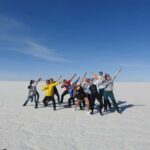
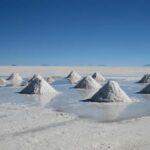
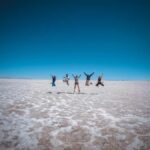
Then comes the main event: the Uyuni Salt Flats. This is the largest salt desert in the world, and its scale is difficult to grasp from photographs. The flat surface seems to run forever, with very little to interrupt the view. On a dry day, the hard white crust and blue sky make strong, clean photographs.
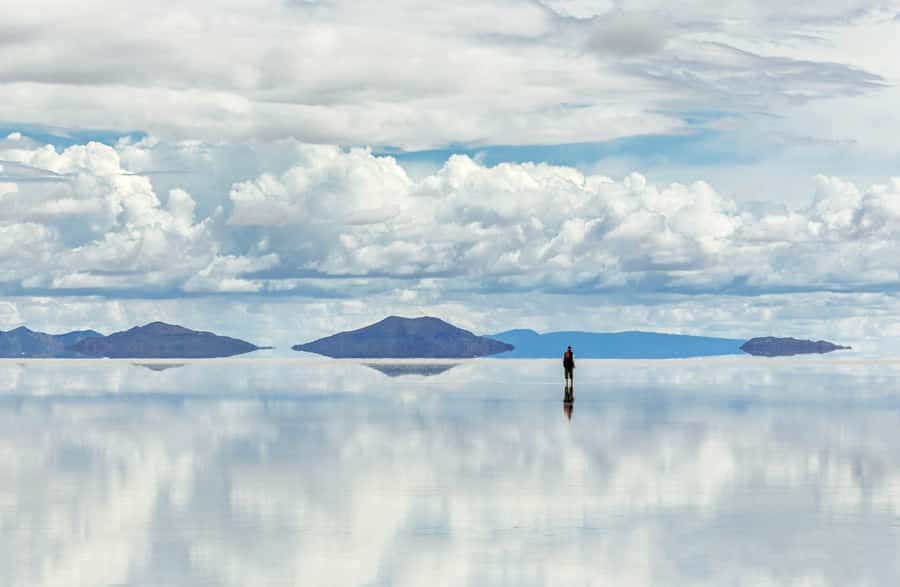
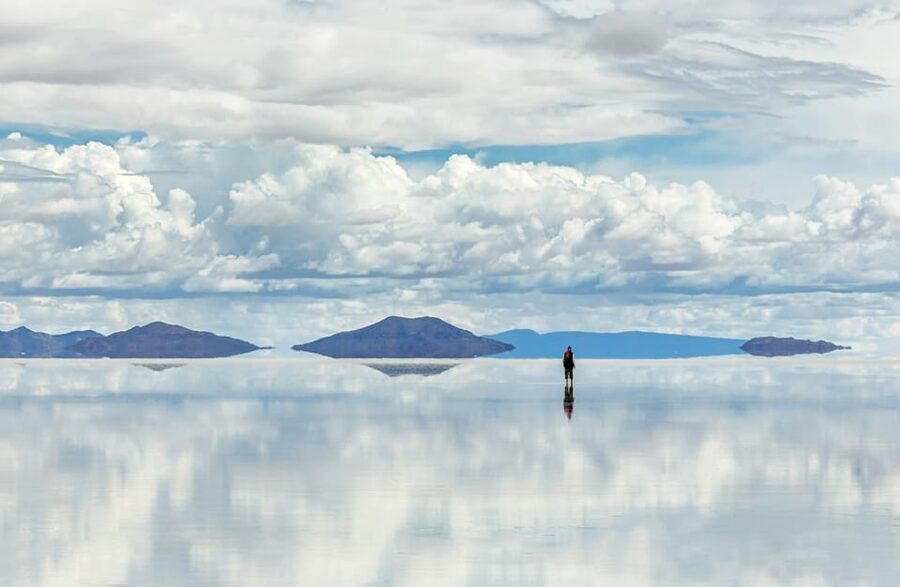
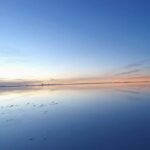
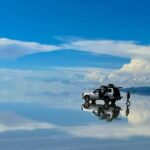
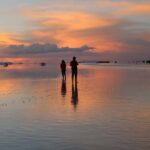
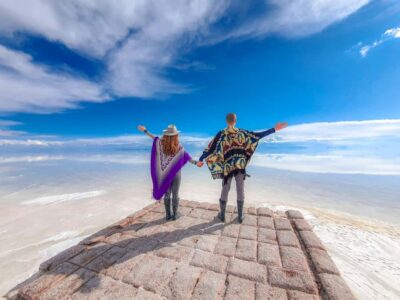
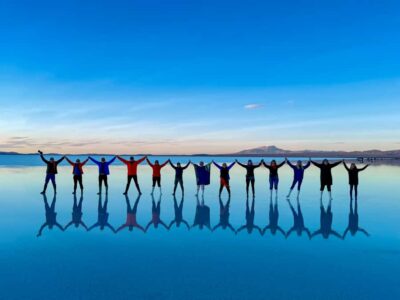
Rain changes the mood entirely. During the wet season, a thin layer of water can turn the flats into a giant reflective surface. The sky appears beneath your feet, and the horizon can almost disappear. This is one of the finest reasons to visit between December and April, though the same rain can flood roads and force changes to the plan.
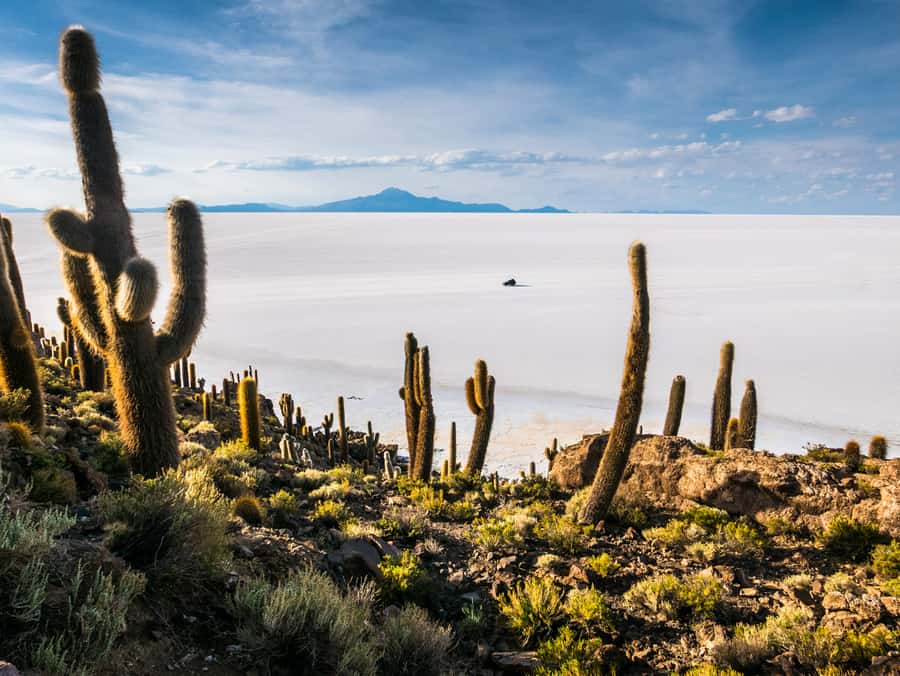
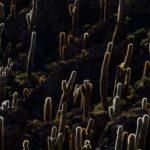
Incahuasi Island gives the first day a different shape. The island rises from the salt flats and is known for its giant cacti. You will need to pay a separate entrance fee of 30 bolivianos. Bring a hat, sunglasses, and sunscreen, since the white salt reflects strong sunlight from every direction.
The first night is in a basic salt hostel. Rooms are arranged for two, three, or four people and have a private bathroom, but comfort remains simple. Most places on the route have no heating, so do not mistake a private bathroom for hotel-level facilities.
Meals are included for all three days. They are basic, but the food has been prepared fresh and vegetarian requests have been met with complete meals, including protein. That is useful after a long day in the cold and sun, when a small snack will not be enough.
A few more Uyuni tours and experiences worth a look
Day Two: Red Lagoons, Green Water, and Geysers
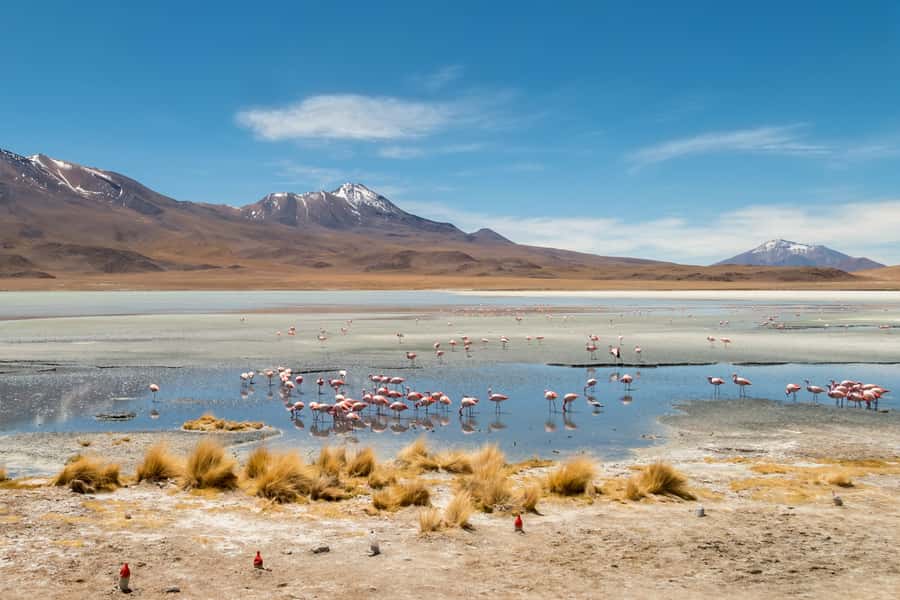
The second day takes you farther into the Bolivian highlands, where the white salt gives way to colored lagoons and stark desert. The Red Lagoon and Green Lagoon are the headline stops, but the appeal is the contrast between them and the surrounding empty terrain.
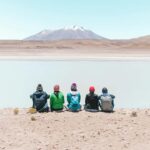
The colored water is best understood as part of the whole scene rather than a single quick photo stop. You are looking at unusual water colors, high Andean air, distant ridges, and wildlife adapted to a harsh environment. The route includes chances to observe Andean wildlife, so keep your camera ready and avoid rushing away from each stop.
Geysers add another change of pace. Steam, heat, and unusual ground formations make the area feel almost otherworldly. You should wear shoes with a firm sole and stay alert around hot ground, particularly when tired or dealing with altitude.
This is also the day when the remoteness becomes most obvious. Internet is very limited throughout the route and is often unavailable on Day 2. Tell family or friends in advance that you may be unreachable, and do not depend on online maps, streaming, or regular messages.
The second night is in a very basic refuge. It has rooms for two, three, or four people and a private bathroom, but this is the roughest accommodation of the trip. There is usually no heating, and winter nights from May through September can be bitterly cold.
A sleeping bag is included from May to September. In other months, you can request one without an extra charge. I would still pack warm layers in every season; the high plateau can feel cold after sunset even when the daytime sun is strong.
Day Three: Hot Springs and Surreal Desert
The hot springs are among the route’s most unusual rewards. You can swim at roughly 4,500 meters above sea level, surrounded by the stark highland setting. Bring swimwear, flip-flops, and a towel or toiletries that make changing easier.
The experience works because of the contrast. Outside the water, you may be dealing with cold air, rough roads, and high elevation. In the spring, you get a rare chance to warm up while looking out across one of the most unusual parts of Bolivia.
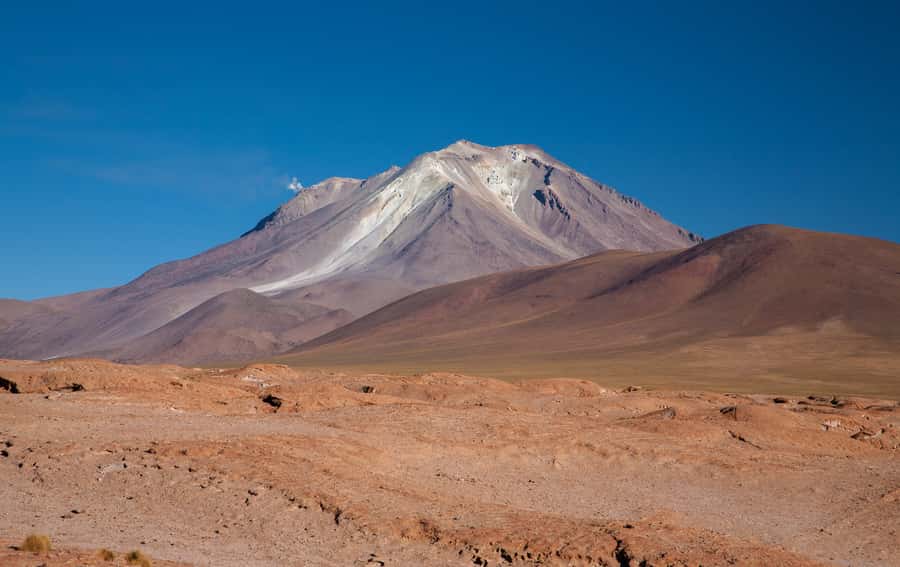
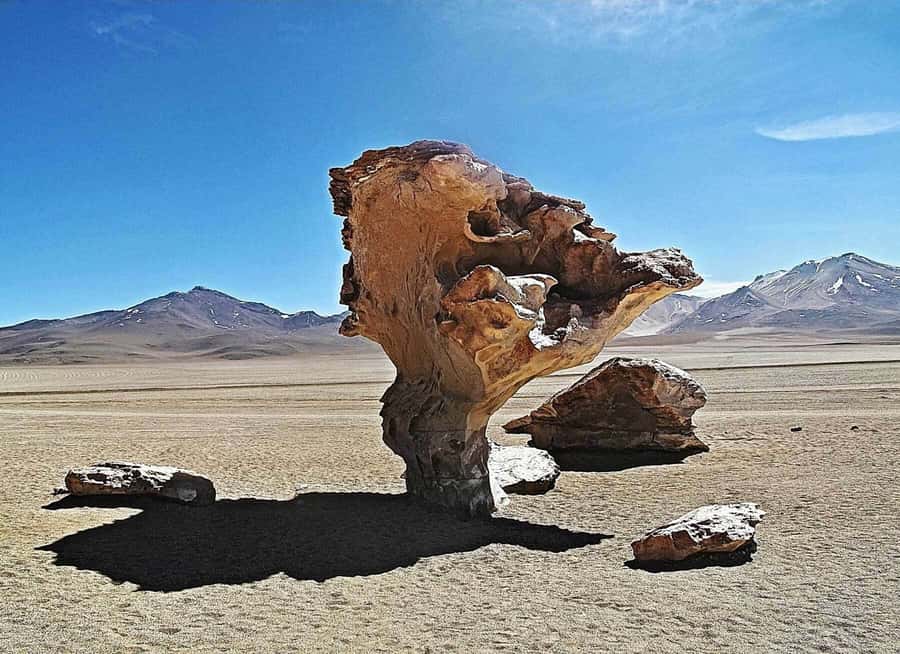
The route also includes surreal desert scenery. Expect broad, spare views rather than a series of close-packed sights. You spend much of the trip crossing open ground in a 4WD vehicle, so the appeal is the scale and strangeness of the surroundings, not constant activity.
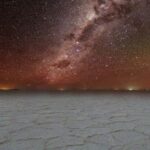
Sunset is another major moment, but weather controls the result. With clear skies, the changing light across the salt and desert can be extraordinary. If clouds or rain move in, the sunset may be muted or unavailable, so treat it as a bonus rather than a promise.
If you plan to continue to San Pedro de Atacama in Chile, arrange that separately. The transfer is not included, and this three-day trip does not remove the need to plan your onward transport.
What $437 includes—and what it does not
The $437 price covers the expensive practical pieces: pickup in Uyuni, a 4WD vehicle, three days of meals, two nights of accommodation, and a Spanish-speaking driver-guide. An English- and Spanish-speaking guide is available if you choose that option.
For a remote route with poor roads and long distances, that package has solid value. You are not paying only for sightseeing; you are paying for a vehicle, fuel, food, lodging, and someone who knows how to move through a demanding region.
Set aside extra money for the following:
- Incahuasi Island: 30 bolivianos
- Polkes Hot Springs: 15 bolivianos
- Eduardo Avaroa Reserve: 150 bolivianos
- Bathrooms along the route: about 20 bolivianos each
- Personal drinking water
- Rubber boots
- Snacks and personal purchases
- Any onward transfer to San Pedro de Atacama
The listed entrance charges total 195 bolivianos before bathrooms and water. Bring cash in small amounts, since you should not count on card payment or reliable internet in remote areas.
Rubber boots are not included. They can be useful during the rainy season, especially if the salt is wet or the route is muddy, but the tour does not supply them. Good walking shoes are still essential.
The guide and group setup matter
The tour is designed for small groups of up to six people, which is the right size for a 4WD route. A smaller vehicle makes photo stops easier and gives you a better chance to hear instructions and speak with the guide.
There is one practical caution. One group of ten was split between two cars, and a solo person ended up in a rear seat with a mostly non-English-speaking group. The English-speaking guide was in the other vehicle and helped at the stops, but the long drives were lonely and confusing.
If you are traveling alone, confirm the exact vehicle arrangement and language support before departure. Ask specifically if your English-speaking guide will ride in your vehicle for the full route. This small question could make a large difference over three days.
The quality of the guiding can be excellent when the arrangement works well. Jamie, one guide associated with the trip, received especially strong praise for planning and group care. Clear communication with the local office is another plus, but do not assume that every driver speaks English.

Cold, altitude, and basic comforts
This is not a suitable choice for anyone with mobility limitations, pregnancy, or pre-existing medical conditions. The roads are rough, the vehicle may stop briefly because of altitude or road conditions, and the route reaches very high elevations.
You should also expect limited comfort. Hot showers are included, but frozen pipes, drought, or gas shortages can interfere. Hot water is available about 75 percent of the time, so keep your expectations realistic.
The food is described as basic but varied. A basic vegetarian option is available, and specific requests should be made before departure. Bring snacks for the road, especially if you prefer food beyond the standard menu.
The biggest physical challenge may be the combination of altitude, cold, and bouncing roads. You will spend hours in a 4WD vehicle, then get out into strong sun or freezing air. Comfortable shoes, warm clothing, sunglasses, sunscreen, and a hat are practical necessities, not optional extras.
What to pack for three days in the salt desert
Bring your passport or ID card, and carry a visa if your nationality requires one. You should also pack comfortable shoes, warm layers, sunglasses, a hat, sunscreen, swimwear, flip-flops, toiletries, snacks, and a camera.
Personal water is not included. Bring enough for your needs, since reliable shops and services are limited once you leave Uyuni.
A small bag is easier to manage in the 4WD vehicle than a large suitcase. Keep warm clothing, sunscreen, water, and your camera close by rather than buried under other luggage.
From May to September, the operator provides a sleeping bag. Outside those months, request one if you want extra warmth. I would make that request ahead of time rather than wait until pickup.
Who will enjoy this route most?
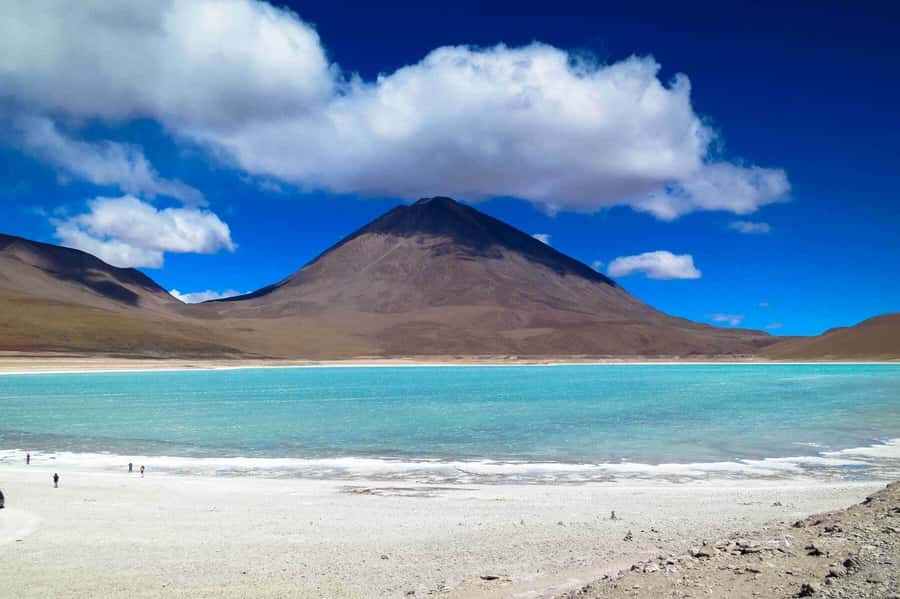
You should book this if you want extreme scenery, accept basic accommodation, and see several major Uyuni sights without arranging transport yourself. The route suits people who value unusual places more than comfort and who are happy to spend long periods on rough roads.
It is a good fit for photographers, outdoor-minded visitors, and anyone who wants more than a quick salt-flat visit. Three days let you reach colored lagoons, geysers, hot springs, and desert areas that a shorter outing cannot cover.
You should think twice if you need dependable showers, stable internet, smooth roads, or a precise schedule. The rainy season can bring the best mirror effect but also the greatest chance of flooded roads, a changed overnight stop, or a closed visit to Incahuasi Island.
Should you book this Uyuni tour?
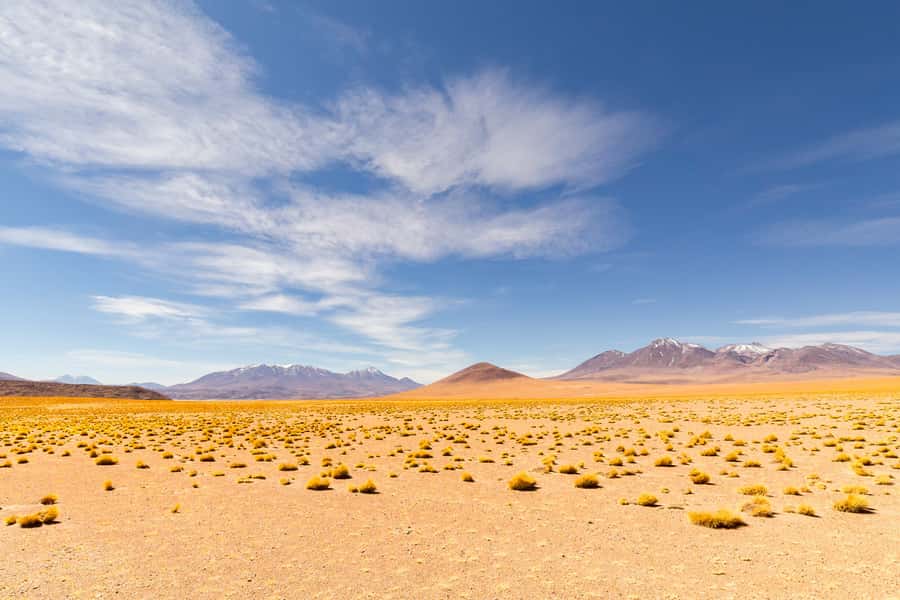
I would book it if your priority is seeing the full range of Uyuni’s strange highland scenery and you can handle basic conditions. The included transport, meals, pickup, and lodging make $437 fair for a remote three-day route.
Before booking, confirm three things: your guide language, the actual number of people in your vehicle, and the plan for onward travel to Chile. If you are comfortable with cold nights, rough roads, limited internet, and uncertain hot water, this trip offers a powerful look at one of Bolivia’s most unusual places.
FAQ
What is included in the $437 price?
The price includes pickup in Uyuni, 4WD transportation, meals for three days, two nights of accommodation, and a Spanish-speaking driver-guide. An English- and Spanish-speaking guide is included if you choose that option.
How basic are the accommodations?
The first night is in a basic salt hostel with a private bathroom. The second night is in a very basic refuge, also with a private bathroom, and most places have no heating.
Is hot water guaranteed?
No. Hot showers are included, but drought, gas shortages, or frozen pipes can prevent them. Hot water is available about 75 percent of the time.
What entrance fees must I pay separately?
You must pay 30 bolivianos for Incahuasi Island, 15 bolivianos for Polkes Hot Springs, and 150 bolivianos for Eduardo Avaroa Reserve access. Bathrooms along the route cost about 20 bolivianos.
How large is the group?
The tour is intended for small groups limited to six participants. Group arrangements can vary, so solo participants should confirm how many people will be in their vehicle.
When is pickup in Uyuni?
If you are already staying in Uyuni, pickup is scheduled between 10:30 and 10:45 a.m. Pickup is also available from the airport or bus station.
Can weather change the route?
Yes. Weather and road conditions can change the plan, especially from December through April. Flooding may require a different overnight stay in Uyuni, and Incahuasi Island may be closed during those conditions.
More 3-Day Experiences in Uyuni
More Tours in Uyuni
More Tour Reviews in Uyuni
Not for you? Here's more nearby things to do in Uyuni we have reviewed
Uyuni Salt Flats Tours, compared
 ★ 4.5From La Paz: Uyuni Salt Flat Tour & Overnight Roundtrip BusFrom $275327 reviews
 ★ 4.5Uyuni tour express from La Paz by busFrom $269172 reviews
 ★ 4.4From Uyuni: Red Lagoon & Uyuni Salt Flats 3-Day Guided TourFrom $354160 reviews
 ★ 4.3La Paz: 5-Day Uyuni Salt Flats by BusFrom $486153 reviews
Browse the lists this tour appears in