
Reviewed · TIWANAKU RUINS TOURS
From La Paz: Tour of Tiwanaku Ruins
Ancient stone gives this day real weight. This seven-hour outing connects Tiwanaku’s Ceramic and Lithic Museums with the main ruins, including the Sun Gate, Kalasasaya Temple, and Puma Punku. I like starting with the artifacts before seeing the monuments, and I also like having a live guide in English or Spanish to explain what you are looking at.
My main caution is uneven logistics. Traffic leaving La Paz can stretch the journey, and the plan may not be explained clearly during the drive. There is also conflicting information about lunch and entrance fees, so I would confirm both before paying.
In This Review
- Key points
- Starting With Ceramics and Stone in Tiwanaku’s Museums
- Sun Gate, Kalasasaya, and the Spiked Heads
- Puma Punku and Tiwanaku’s Colossal Monoliths
- Lunch: A Useful Break With Conflicting Details
- Seven Hours From La Paz, With Traffic in the Equation
- $59: Good Value Only If Inclusions Are Clear
- Reliability: Confirm the Meeting Plan Before You Leave
- What to Bring for the Open-Air Ruins
- Who Should Book This Tiwanaku Tour?
- My Booking Call
- FAQ
- How long does the Tiwanaku tour last?
- How much does the tour cost?
- Which languages does the guide speak?
- Is transportation included?
- Are lunch and entrance fees included?
- What should I bring?
- Can I take photographs inside the museums?
- Can I cancel for a refund?
Key points
- Museum-first route: You see ceramic and stone artifacts before walking among Tiwanaku’s major ruins.
- Signature monuments: The route includes the Sun Gate, Kalasasaya Temple, the Semi-Subterranean Temple, and its carved spiked heads.
- Puma Punku included: You visit one of the site’s most mysterious and striking areas, along with colossal monoliths.
- English- and Spanish-speaking guide: Guidance is available at the archaeological site, though the drive may be quiet.
- $59 price with unclear inclusions: Round-trip transport and a bilingual guide are listed, but meal and entrance details conflict.
- Allow for La Paz traffic: The advertised duration is seven hours, but the outbound road can take much longer than expected.
Starting With Ceramics and Stone in Tiwanaku’s Museums
The tour begins at the Ceramic and Lithic Museums, which is a sensible way to approach Tiwanaku. Instead of meeting the ruins with no context, you first see ancient objects and get a basic framework for the civilization that created them.
The ceramic collection helps you think about everyday objects and artistic work. The lithic displays shift your attention to the stone carving that defines the archaeological site. I like this sequence because the museums give the later monuments a human scale. A carved artifact can make the large temple platforms and monoliths easier to understand.
The museums are also the place where you need to pay closest attention to the rules. Food and drinks are not allowed inside, and flash photography is prohibited. The practical instructions say photography is allowed without flash, but one booking account described photography as banned in the museums altogether. To avoid an argument, ask the guide or museum staff before taking out your camera.
Do not count on finding a guidebook or postcards there. Those items were specifically missed by one visitor, so bring your own notes if you want something to read later. Your bilingual guide should provide spoken explanations, but you may not have a printed reference to take home.
You can also read our reviews of more tours and experiences in La Paz.


Sun Gate, Kalasasaya, and the Spiked Heads
After the museums, the focus shifts to the main archaeological complex. The guide takes you through several important structures, each with a different visual character.
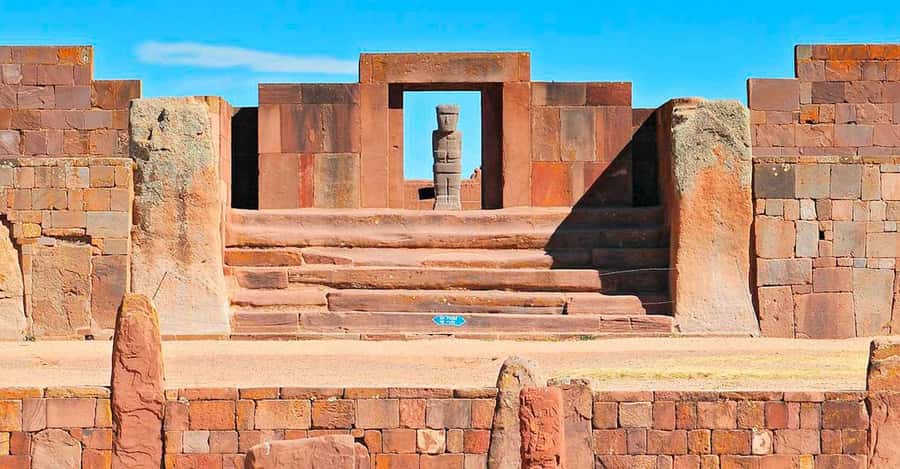
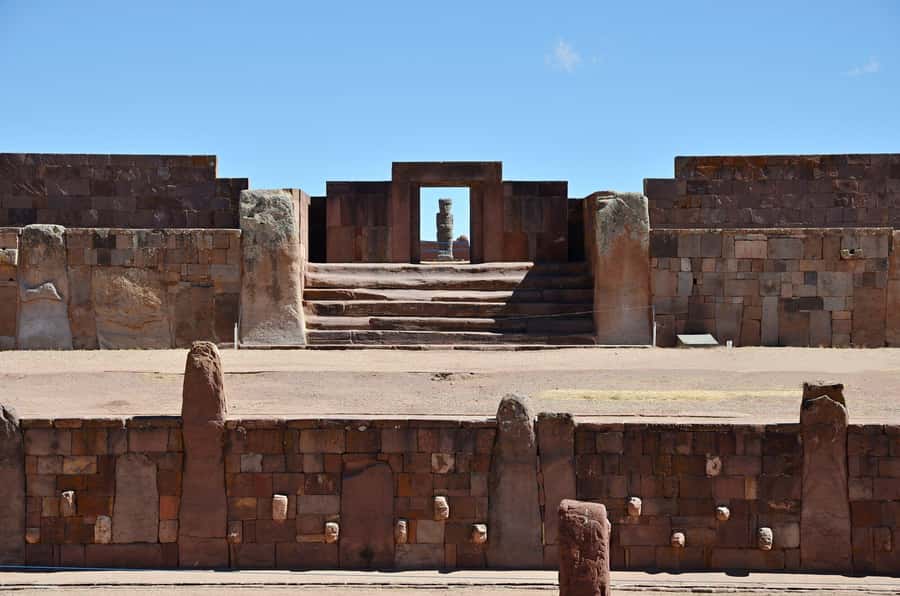
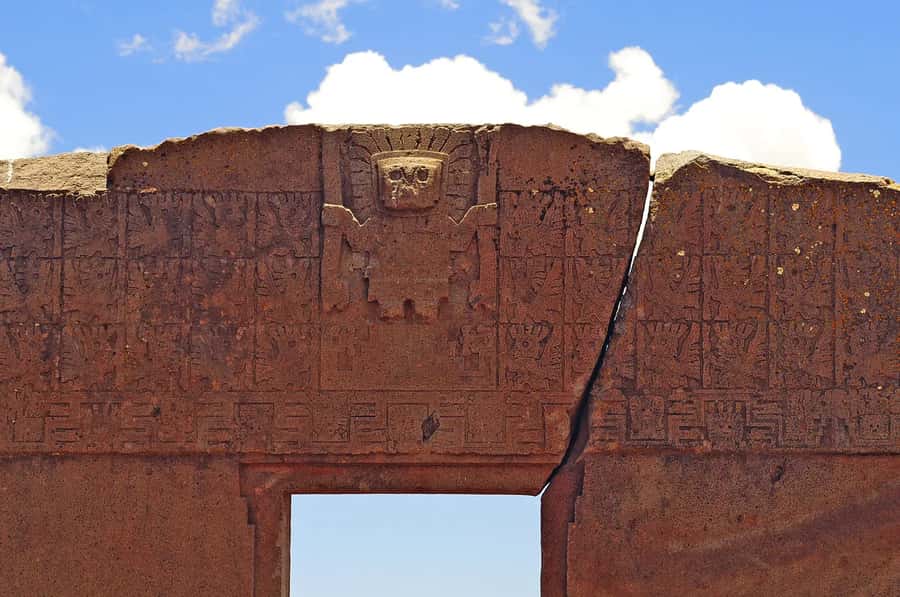
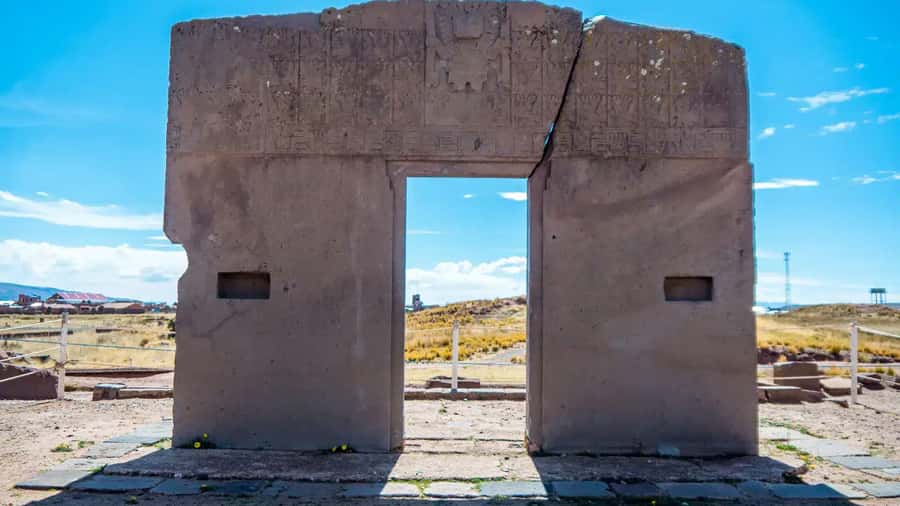
The Sun Gate is one of Tiwanaku’s best-known monuments. Its appeal is not just its size or age, but the sense that the carved stone carries a message whose meaning still invites questions. You will want time to study the surface rather than simply take a quick photograph and move on.
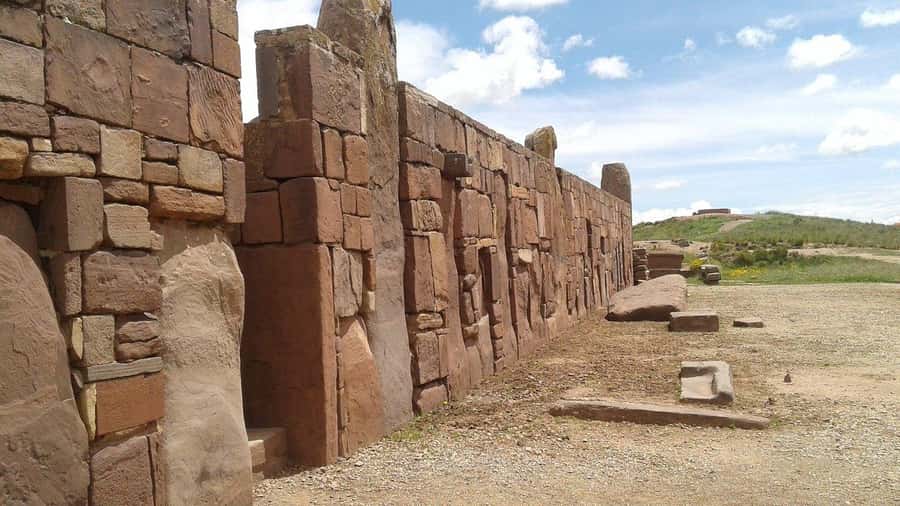
The Kalasasaya Temple provides another major stop. The site’s broad stonework and formal layout make it easier to see how Tiwanaku was organized as a ceremonial center. Your guide matters here. Without explanation, you may notice impressive walls and blocks but miss the cultural meaning attached to them.
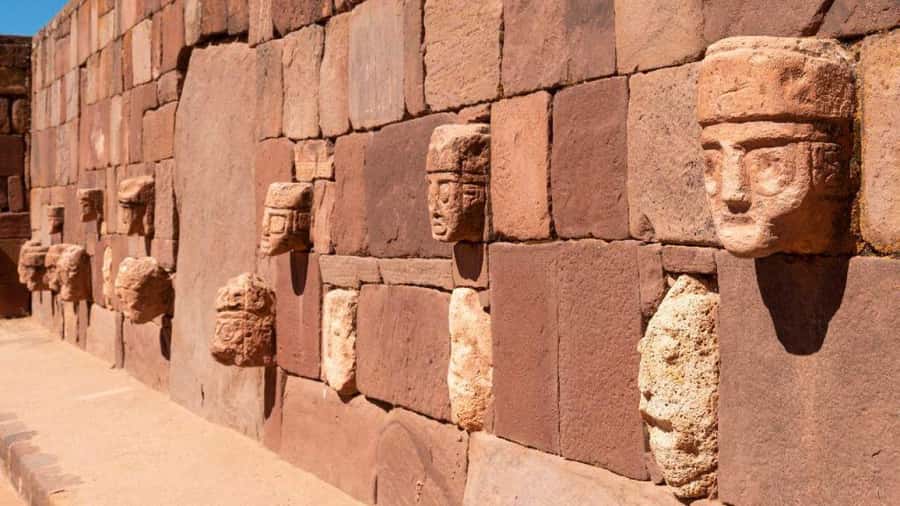
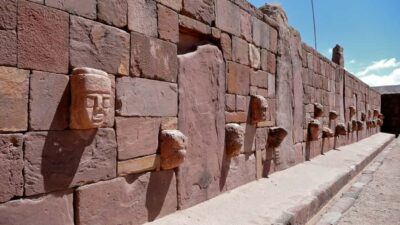
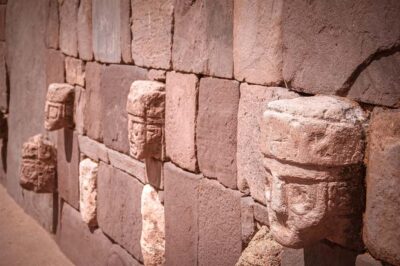
The Semi-Subterranean Temple brings a different mood. It is known for the carved heads set into its walls, including the striking spiked heads named in the tour description. This is one of the more unusual stops because the stone faces create an immediate visual puzzle. They are not just plain architectural decoration, and the guide’s explanation can help you make sense of why they are there.
One of the strongest points from the available feedback is the quality of the explanation at the site itself. The guide was described as very good among the monuments, and the archaeological complex was praised for its buildings, artifacts, and historical importance. That is the heart of the day, and it is where the tour earns its price when the operation runs properly.
Puma Punku and Tiwanaku’s Colossal Monoliths
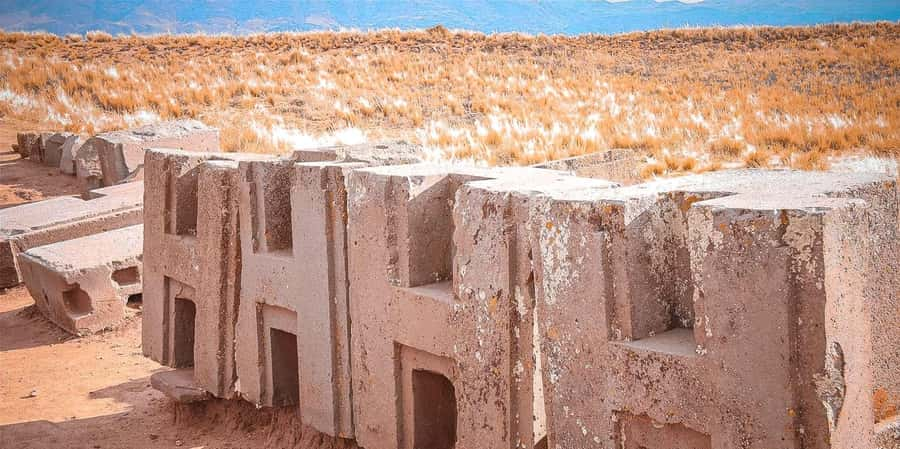
Puma Punku adds a second major archaeological area to the visit. Its ruins are presented as mysterious and sacred, with large stone pieces that invite close inspection. You will see why this stop is often treated as a separate highlight rather than just another corner of Tiwanaku.
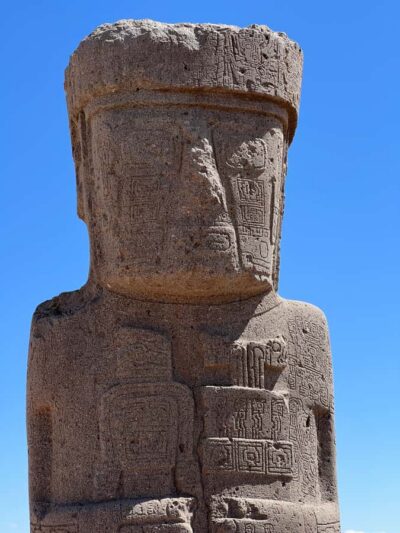
The tour also includes colossal monoliths. Their scale gives you a useful contrast with the museum objects from earlier in the day. In the museums, you look at crafted pieces behind or within display spaces. At the ruins, the stones occupy the open site and become part of the experience of walking through the ancient complex.
I would pay attention to the guide here, even if the explanations feel brief. Puma Punku can be visually impressive but confusing without a clear route and some historical framing. One concern raised about this tour was not the quality of the place, but uncertainty over where to wait, when to enter, when to leave, and how the ticket process worked. The monuments deserve better than a rushed or disorganized visit.
Wear shoes that can handle several hours of walking. The activity is not suitable for people with mobility impairments or wheelchair users, so consider the walking demands before booking. The supplied information does not give a detailed surface or step count, so you should ask for more detail if walking ability is a concern.
Lunch: A Useful Break With Conflicting Details
The tour description presents a traditional Bolivian lunch at a local restaurant as part of the day. That could be a welcome break after the museums and ruins, especially because the outing lasts seven hours and begins with a drive from La Paz.
But the payment information is inconsistent. One part says lunch and entrance fees are included, while the inclusion list separately says meal and entrance are not included. Drinks are clearly listed as not included.
That matters when judging the $59 price. I would not assume the meal is covered simply because it appears in the highlights. Ask the operator to confirm three points before departure:
- Is the restaurant meal included in the $59 price?
- Are Tiwanaku entrance fees included?
- Should you bring cash for lunch, drinks, or tickets?
If lunch is included, the price looks more attractive. If you must pay for both the meal and entrance separately, the value is less certain. Carry water either way, since drinks are not included and you are advised to stay hydrated.
Seven Hours From La Paz, With Traffic in the Equation
Round-trip transportation is included, and the total advertised duration is seven hours. That makes this a straightforward option if you want Tiwanaku without arranging your own vehicle or combining several separate bookings.
The weak point is the road out of La Paz. One account described the traffic as terrible and the trip as taking far too long. I would treat seven hours as the planned length, not a guarantee that every minute will be spent at the ruins. Heavy traffic can reduce your time on site, so an early start would be useful if the available departure times allow it.
The vehicle was described as average rather than especially comfortable. That is not a dealbreaker for a day trip, but it is worth knowing if you are sensitive to long rides. Round-trip transport saves effort, yet comfort and timing may be basic.
Another practical issue is the silence during the drive. The guide was praised at Tiwanaku but reportedly provided little or no information on the road. I would have liked a simple explanation of the day’s schedule, the surrounding area, and what would happen after arrival. If you want commentary during the journey, ask about it before setting out.



$59: Good Value Only If Inclusions Are Clear
At $59 per person, this tour can be a reasonable buy for a seven-hour day that includes transport and a bilingual guide. The museums, archaeological areas, guide service, and return journey give you a useful package, especially if you value convenience over arranging every piece yourself.
The value changes if entrance fees and lunch are extra. Since the information conflicts, you should compare the final cost rather than relying on the headline price. Drinks are not included, and you should budget for those at a minimum.
The guide adds the most value at the ruins. Tiwanaku is not just a collection of large stones; the Sun Gate, Kalasasaya, Semi-Subterranean Temple, monoliths, and Puma Punku need explanation to become a connected experience. If you receive a strong site briefing, $59 feels fair. If the guide is absent, the instructions are vague, or the visit is shortened by traffic, the price feels much harder to defend.
The published rating is 2.5 out of 5 from three verified bookings. That small number does not tell you everything about the archaeological site, which received clear praise, but it does flag service risk. Two of the main concerns were poor communication and one serious no-show.
Reliability: Confirm the Meeting Plan Before You Leave
The most serious warning is a reported case in which the guide did not appear at the meeting point. The person waited for more than an hour, tried phone calls and messages, and received no answer. That is not a minor inconvenience; it can cost you an entire day.
I would take simple precautions. Save the meeting point, departure time, provider name, and a working contact number. Confirm the booking shortly before the tour, and keep written proof of the reservation and payment. Todo Turismo is named as the experience provider, but one account said the tour was initially sold by one local company and operated by another. Confirm who is actually meeting you.
Once you are collected, get the schedule in plain terms:
- When will you enter the museums?
- When will you reach the main ruins?
- Where should you wait between stops?
- Is lunch included or paid separately?
- When and where will the return vehicle leave?
These questions are especially useful because the guide may not explain much during the drive. A few minutes of clear orientation at the beginning can prevent confusion later.
The tour offers free cancellation up to 24 hours before departure and a reserve-now, pay-later option. Those terms make it easier to keep plans flexible, but they do not solve the service concern. I would still confirm the operator and meeting details close to the travel date.
What to Bring for the Open-Air Ruins
The packing list is short, but each item has a purpose. Bring comfortable walking shoes, a hat, sunscreen, water, and a camera if you want photographs outside the museums.
The sun protection matters because much of the archaeological visit takes place outdoors. The information does not promise shade, so a hat and sunscreen are sensible rather than optional extras. Water is also your responsibility because drinks are not included.
Use the camera carefully. Flash photography is not allowed inside the museums, and food and drinks must stay outside. Since the museum photography rules appear inconsistent, ask before shooting any indoor display. Outside, photography is permitted according to the practical information.
Do not plan this as a wheelchair-friendly outing. It is specifically not suitable for wheelchair users or people with mobility impairments. If you need a slower pace or assistance over uneven ground, contact the operator before booking rather than hoping the standard group can adapt.
Who Should Book This Tiwanaku Tour?
I would recommend it most to you if you are staying in La Paz, want a guided visit, and prefer a set day trip with transport included. The route covers the main named sights and gives you both museum context and time among the ruins.
It also suits you if Tiwanaku is a priority but you do not want to handle transport, tickets, and site planning on your own. The bilingual guide is useful for English- or Spanish-speaking visitors, especially during the archaeological portion.
I would be more cautious if your schedule is tight. Traffic can be severe, and the seven-hour estimate may feel long if the road is slow. I would also hesitate if you need polished logistics, a comfortable vehicle, or constant commentary during the drive.
The experience is a poor fit for anyone with limited mobility. It is also not ideal if you expect lunch and entrance fees to be automatically covered without checking first.
My Booking Call
I would book this tour for the Tiwanaku sites themselves, not for flawless administration. The Sun Gate, Kalasasaya Temple, Semi-Subterranean Temple, monoliths, and Puma Punku provide a strong day of archaeology, and the guide’s explanations at the site can add real value.
Before booking, confirm the operator, meeting point, entrance fees, lunch, and expected schedule in writing. If those answers are clear and you have room in your La Paz plans for traffic delays, $59 is potentially fair. If you need dependable service above all else, the no-show and communication problems are serious reasons to choose another arrangement.
FAQ
How long does the Tiwanaku tour last?
The advertised duration is seven hours, including round-trip transportation from La Paz.
How much does the tour cost?
The listed price is $59 per person.
Which languages does the guide speak?
The live guide is available in English and Spanish.
Is transportation included?
Yes. Round-trip transportation is included in the tour information.
Are lunch and entrance fees included?
The details conflict. One section says lunch and entrance fees are included, while another says meal and entrance are not included. Confirm both costs before booking.
What should I bring?
Bring comfortable shoes, a hat, sunscreen, a camera, and water.
Can I take photographs inside the museums?
Flash photography is not allowed inside the museums. The practical information says photography without flash is allowed, but one account described photography as banned, so ask museum staff or your guide before taking pictures.
Can I cancel for a refund?
You can cancel up to 24 hours in advance for a full refund. The tour also offers a reserve-now, pay-later option.
More Tours in La Paz
More Tour Reviews in La Paz
Not for you? Here's more nearby things to do in La Paz we have reviewed






Tiwanaku Ruins Tours, compared
 ★ 4.2La Paz: Tiwanaku Archeological Site Full-Day TourFrom $8034 reviews
 ★ 4.7From La Paz: Tiwanaku and Lake Titicaca One-Day TourFrom $21217 reviews
 ★ 4.1Tiwanaku; Pre Incan Ruins Tours from La PazFrom $2316 reviews
 ★ 3.9La Paz: Tiwanaku Shared Tour with Lunch + Tour GuideFrom $9414 reviews
Browse the lists this tour appears in