
Reviewed · TIWANAKU RUINS TOURS
Private Tour of Tiwanaku Ruins from La Paz
Stonework meets the open Andes. This eight-hour private outing takes you from your La Paz hotel to Tiwanaku by comfortable private vehicle, with an English-speaking guide, entry fees, lunch, snacks, and water included. I like the door-to-door pickup and the chance to see both the museums and the major ruins without arranging transport yourself. I also like the private format, which gives your group direct access to the guide. The main drawback is the long road day: the drive takes about two hours each way, so you spend a good share of the tour in the vehicle.
The best part is the cultural explanation. Guide Juan has been praised for clear English and for explaining the social and cultural setting behind the buildings, not just naming stones. Lunch is another strong point, with local food and possibly llama meat, but you should bring sun protection and comfortable shoes because much of the visit takes place outdoors.
In This Review
- Key points to know before you book
- Why Tiwanaku makes a worthwhile day from La Paz
- The two-hour drive from La Paz
- Start with the Ceramic and Lithic Museums
- Walking through the main archaeological site
- Why the guide can make or break the visit
- Lunch with local food after the ruins
- Returning to La Paz in a private vehicle
- Is $158 per person good value?
- What to bring for the outdoor visit
- Who should book this Tiwanaku tour?
- Should you book it?
- FAQ
- How long does the tour last?
- Is hotel pickup included?
- Is the tour private?
- Which languages are available?
- What is included in the $158 price?
- Which places will I visit at Tiwanaku?
- Should I bring identification?
- Can I cancel the tour?
Key points to know before you book
- Two hours each way from La Paz: The journey takes time, but it gives you views of Andean scenery, animals, and local plant life.
- Private group with hotel pickup: You travel with your own party in private transport rather than joining a larger bus group.
- Museum and ruins in one visit: The day includes the Ceramic Museum, Lithic Museum, Akapana Pyramid, Kalasasaya, Pumapunku, and several other important areas.
- An English-speaking art historian guide: The guide explains the Tiwanaku culture, including its social and cultural background.
- Local lunch included: Food, snacks, bottled water, entrance fees, and transport are covered in the $158 price per person.
- A rare market bonus: If your visit matches the annual local market, you may see another side of life in the village.
Why Tiwanaku makes a worthwhile day from La Paz
Tiwanaku gives you a break from La Paz’s busy streets and a chance to see one of the oldest American civilizations described in the tour. The ruins sit in the Bolivian Andes near Lake Titicaca, and the route takes you through open scenery that feels very different from the city.
I like that this is not just a quick stop at one famous stone gate. You visit museums first, then move through several parts of the archaeological site. That order helps you recognize the materials and shapes you see outside.
You should also set your expectations correctly. This is not a relaxed half-day outing. With two hours to reach the town and another two hours to return, the road takes up about half of the eight-hour schedule. The reward is a full cultural day without the stress of finding a driver, buying entrance tickets, or sorting out lunch on your own.
You can also read our reviews of more private tours in La Paz
The two-hour drive from La Paz
Your day begins with pickup at your hotel in La Paz. From there, you travel in a private, comfortable, fully equipped vehicle with your guide.
The road trip is part of the experience rather than dead time. Along the way, you can see Andean scenery, animals, local flora, and open views. The information provided does not promise specific wildlife or exact stops, so think of these as things you may notice through the vehicle windows rather than planned attractions.
Private transport matters here. You do not have to make your own way to Tiwanaku, and your group does not share the vehicle with strangers. You can use the ride to ask the guide questions before reaching the ruins, which is useful if you want more context than a simple site visit provides.
The main practical issue is comfort over a full road day. Wear clothing that suits changing outdoor conditions, bring water even though bottled water is included, and keep sunglasses and sunscreen within reach. Extra camera batteries are also sensible, since the site and the route offer plenty to photograph.
Start with the Ceramic and Lithic Museums
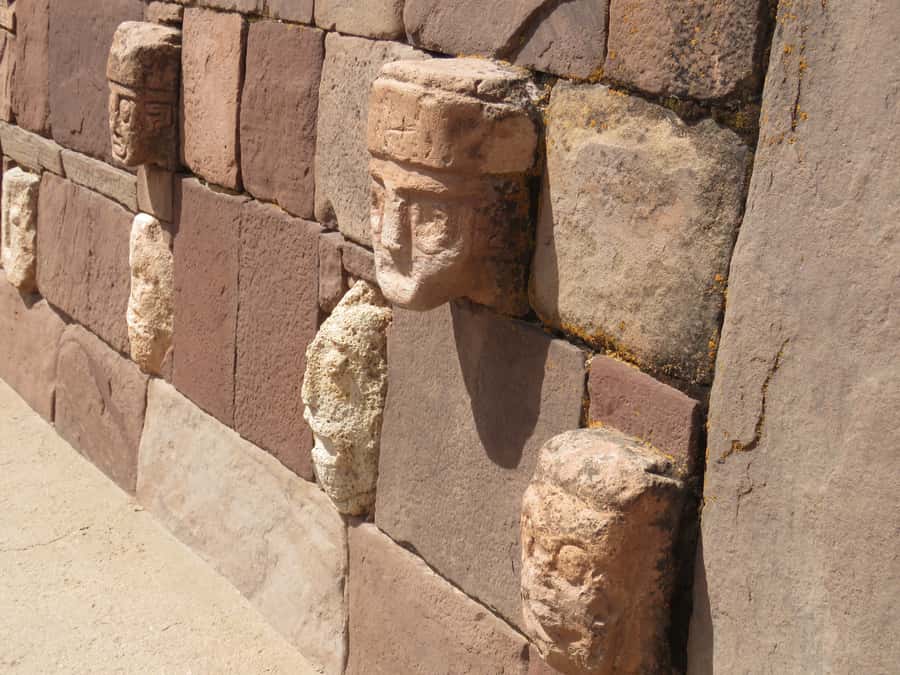
After roughly two hours, you arrive in the village of Tiwanaku and begin with the archaeological museum complex. The visit includes a Ceramic Museum and a Lithic Museum.
This museum time gives the ruins a human scale. Instead of seeing only large stone platforms and carved blocks, you get a look at objects and materials connected with the culture. The professional art historian guide can explain how the pieces relate to the buildings outside and how the society used them.
I would pay close attention to the guide here. The strongest praise for this tour has focused on cultural and social explanation, especially from Juan, whose English was described as very good. If he is your guide, you can expect a clear discussion of the people and circumstances behind the construction, rather than a string of dates and names.
The museums also help you pace the morning. Tiwanaku can be a lot to take in, and starting indoors gives you a useful introduction before you walk across the larger archaeological grounds.
Walking through the main archaeological site
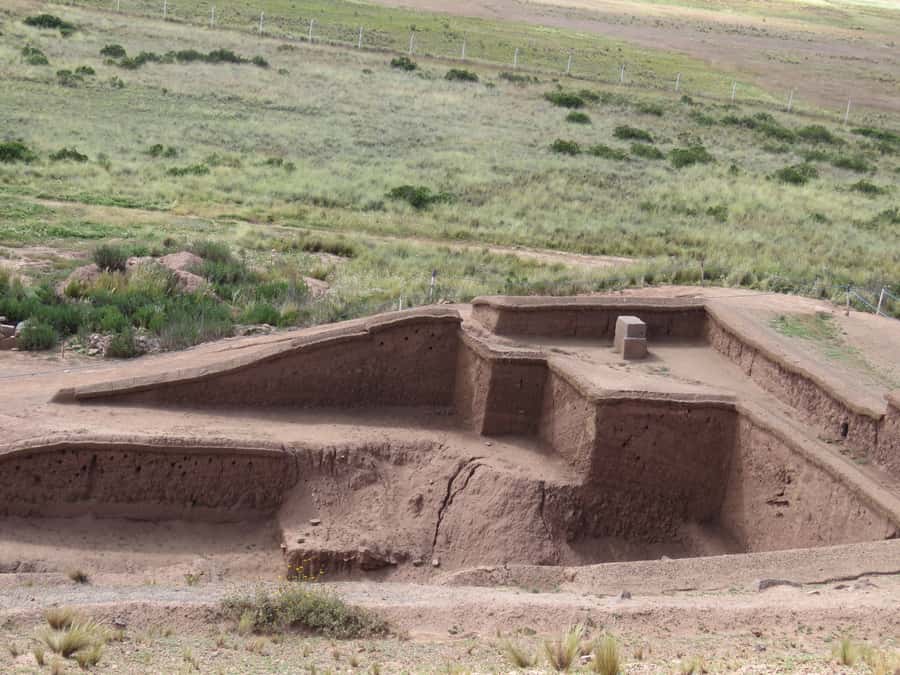
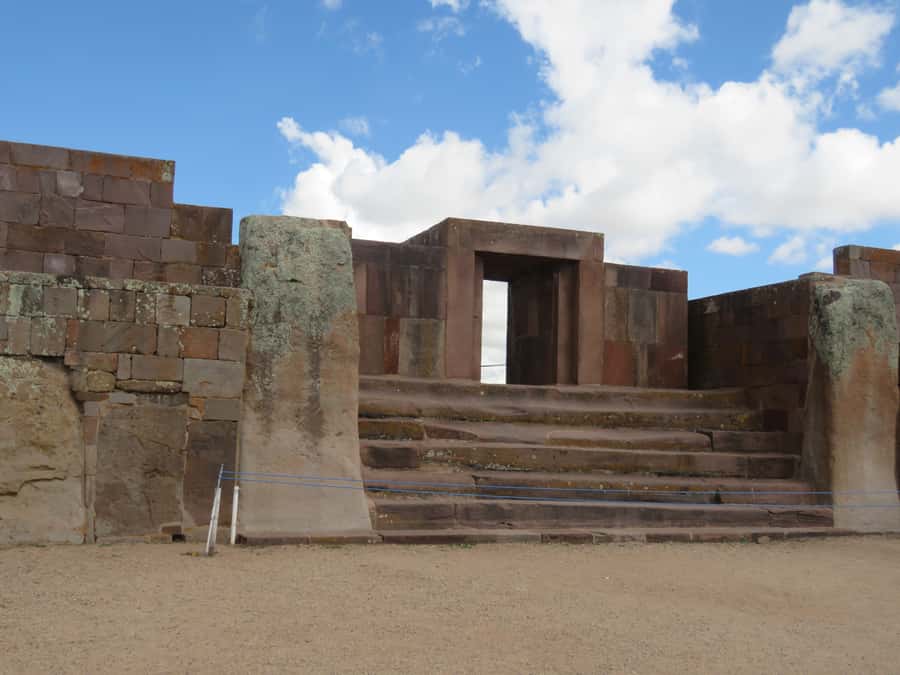
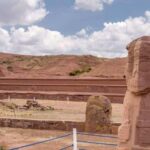
The outdoor visit includes a long list of major areas: the Akapana Pyramid, Kantatalite, the semi-subterranean temple, Kalasasaya Temple with the Puerta del Sol, Putuni Temple, the Moon Gate, and the Pumapunku Pyramid.
You will not simply see one landmark and leave. The guide leads you through the principal remains and explains the role and background of each area as you go. Since the site is spread across several named sections, comfortable walking shoes are important.
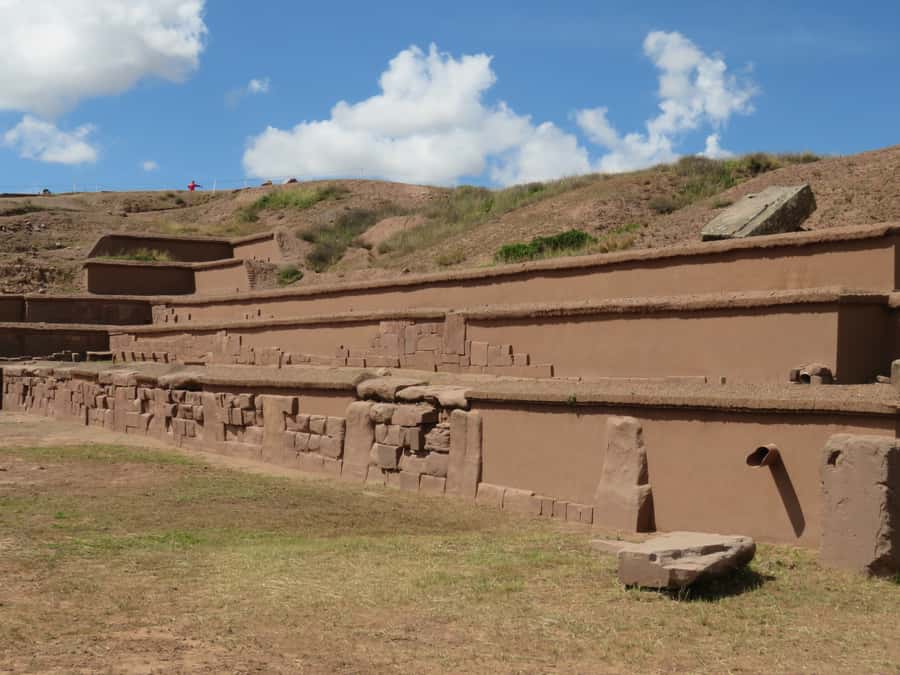
The Akapana Pyramid is one of the central stops. Its scale gives you a sense of the planning needed to build a ceremonial complex. The supplied information does not specify how much of the structure you climb or whether access changes on the day, so follow the guide’s directions and expect the visit to focus on viewing and explanation.
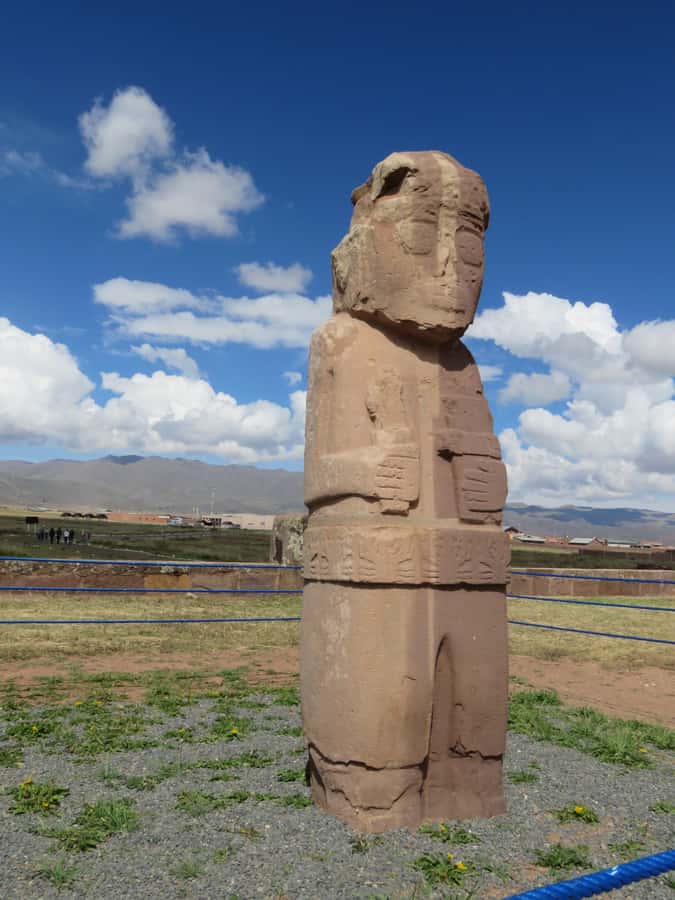
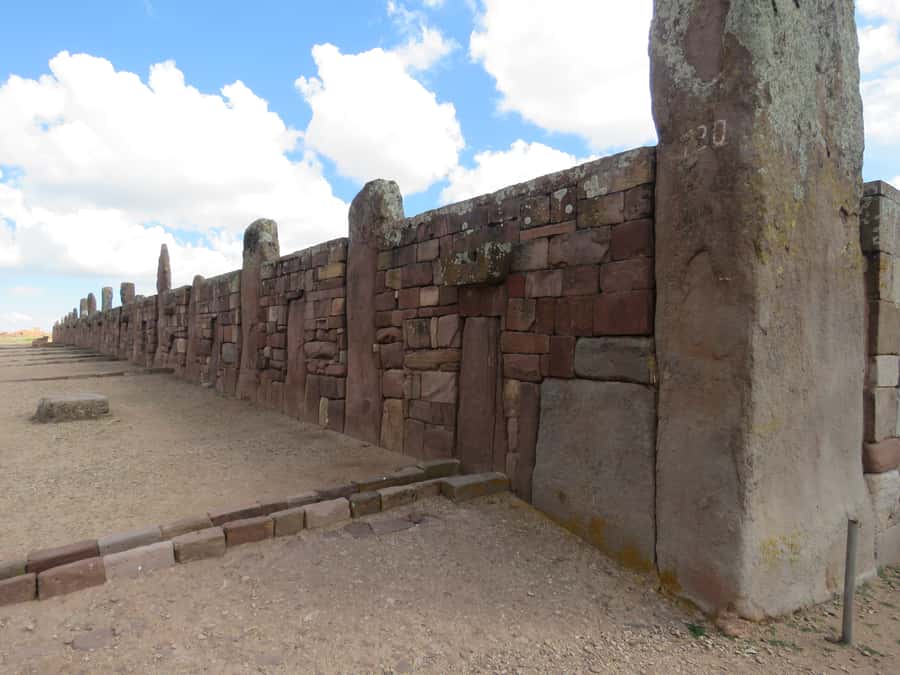
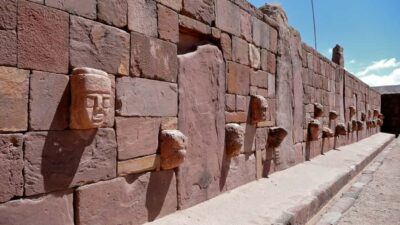
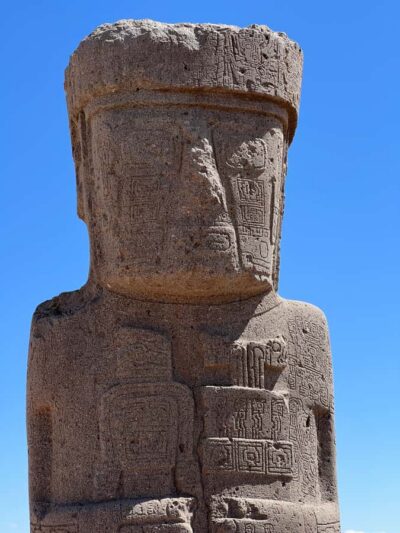
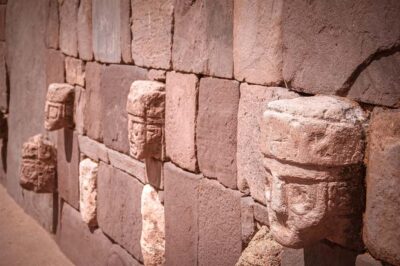
At Kantatalite, look closely at the stonework and carved details. The craftsmanship is one of the things that makes the site memorable. The construction methods remain puzzling to many people, and your guide can provide the cultural setting without reducing the visit to a claim that the stones are mysterious simply because they are old.
The semi-subterranean temple adds a different feel from the open pyramids and broad platforms. It is worth having your guide point out the design features and explain how this space fits into the wider site.
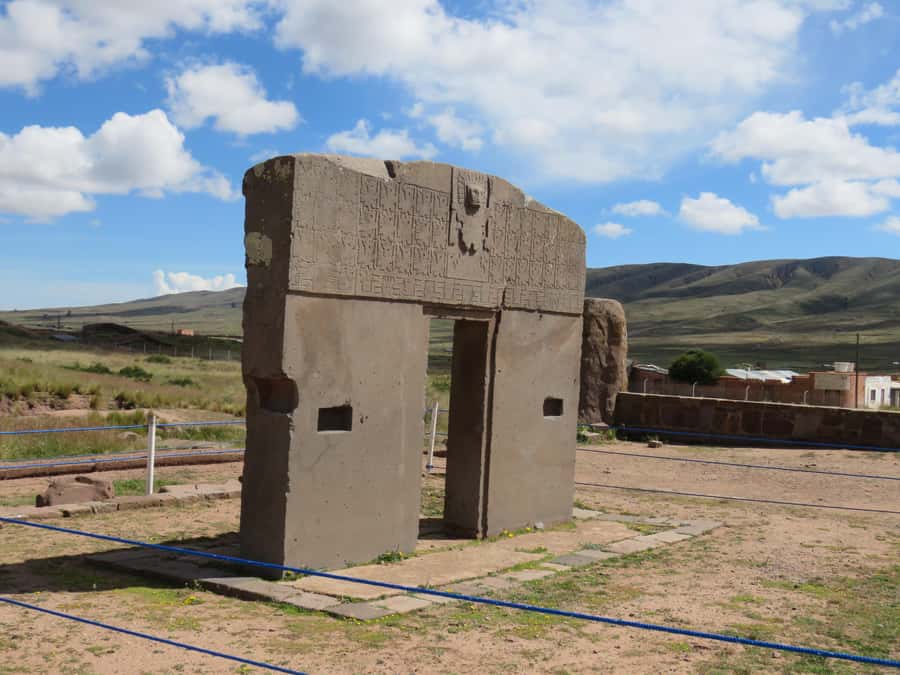
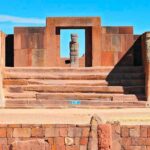
Kalasasaya Temple includes the Puerta del Sol, or Sun Gate. This is likely to be one of the most recognizable points of the visit, but it is better understood as part of the larger ceremonial complex than as an isolated photo stop.
You also visit Putuni Temple and the Moon Gate, followed by the Pumapunku Pyramid. Pumapunku is especially useful for visitors interested in stone cutting and construction, since the large blocks and precise forms invite close attention. I would take time to look beyond the standard photograph and ask your guide about the building methods, intended use, and cultural meaning.
The exact amount of time spent at each stop may depend on the day, the pace of your group, and the guide’s presentation. The stated guided visit lasts about two hours, so you should not expect a long, unhurried study of every stone. The private format helps, but this is still a broad overview of a large archaeological site.
Why the guide can make or break the visit
Ruins are easier to appreciate when you know what you are looking at. At Tiwanaku, many of the structures are made of weathered stone, and without context, the visit could become a sequence of unfamiliar names.
The guide is described as a professional art historian and speaks Spanish and English. That combination is especially useful here because the tour focuses on culture, construction, and the social background of the people who created the site.
I would ask questions early. You might want to know how the museum objects connect with the outdoor remains, why certain areas were built in different forms, or what historians can and cannot determine about the site. A private group gives you a better chance to shape the conversation than a large group tour.
Juan is a name worth noting, although a particular guide cannot be guaranteed. His English and explanations of the cultural and social setting received especially strong praise. Another description highlighted a young, motivated staff member, which suggests the operator can provide an energetic guide, but the quality of your day will still depend on who is assigned.




Lunch with local food after the ruins
After about two hours at the archaeological site, you get a break for lunch. Local food is included, along with snacks and bottled water.
This is a welcome part of the schedule. You have been walking outdoors and concentrating on the guide’s explanations, so a proper meal gives you time to rest before the return drive. The lunch has been described as excellent, and llama meat may be available.
If llama is served, it has been compared in taste to veal. That makes it a manageable introduction to a local food for many people, though you can ask what is being served if you have dietary concerns. The supplied information does not list vegetarian, allergy, or other special meal choices, so contact the provider before booking if that matters to you.
There is also a chance to see the village’s annual local market if your date happens to match it. That is not a daily feature of the tour, but it could add a useful glimpse of local trade and handmade goods beyond the archaeological grounds.
Returning to La Paz in a private vehicle
After lunch, you return to La Paz in the same private vehicle. The return takes about two hours, so the overall day runs close to the stated eight-hour duration.
The ride back can be tiring after an outdoor visit, but private transport gives you a quieter end to the day than a crowded shared bus. Hotel drop-off is included, which is helpful if you are staying in La Paz and do not want to arrange a taxi after a long excursion.
I would not choose this tour if you want a short introduction with lots of free time in the city afterward. I would choose it if you want to see Tiwanaku properly in one day and prefer having the transport, guide, entry, and meal handled together.
Is $158 per person good value?
At $158 per person, this is not the cheapest way to reach Tiwanaku. The price makes more sense when you add up what it covers: private hotel pickup and drop-off, private transport, entrance fees, a professional art historian guide, bottled water, snacks, and lunch.
The private format is the biggest value factor. You are paying for convenience and direct attention, not just a seat in a vehicle. If you are traveling with family or a small group, the ability to stay together and ask the guide questions may justify the higher price.
The included admission also keeps the day simple. The activity provides skip-the-ticket-line access, so you do not need to spend part of your visit sorting out entry. Lunch removes another practical decision during a long day away from La Paz.
The value is weaker if you mainly want transportation and plan to explore independently. In that case, a private tour may provide more guidance than you need. It is stronger for you if language support, historical explanation, and a fixed door-to-door plan are worth paying for.
Souvenir photographs are extra, and travel insurance is not included. Those are small costs compared with the tour price, but you should know that the package does not cover every possible expense.
What to bring for the outdoor visit
The required packing list is short, but each item has a purpose:
- Passport or identity card
- Comfortable walking shoes
- Sunglasses
- Sun hat
- Sunscreen
- Light clothing
- Extra camera batteries
Keep your identification with you because it is listed as something to bring. Even though bottled water is included, you may prefer to carry a small personal bottle for the drive and the walk.
The ruins are outdoors, so sunscreen, a hat, and sunglasses are not decorative extras. Bring them even if the morning looks mild from your hotel window. Shoes matter more than appearance; the site visit includes several areas and requires walking.
The tour runs eight hours, so avoid packing only for a quick museum visit. A small day bag with your camera, identification, sunscreen, and any personal needs will make the day easier.
Who should book this Tiwanaku tour?
I would recommend this tour to you if you want a structured cultural visit from La Paz, prefer private transport, and value an English-speaking guide. It is also a good fit if you want the museums and the major ruins in one outing rather than choosing only one part of the site.
It suits people interested in archaeology, stone construction, art, and the social background of early American civilizations. The guide’s explanation is central, so you will get more from the day if you enjoy asking questions and looking closely at the buildings.
Families and small groups may appreciate the private setting and hotel pickup. The full day may be demanding for anyone who dislikes long drives, and the tour data does not provide specific accessibility details, so ask the operator before booking if you have mobility needs.
The day is less suitable if you want a very flexible schedule or a quick sightseeing stop. Two hours on the road in each direction is simply part of the deal.
Should you book it?
Book this tour if you want the easiest, most supported way to visit Tiwanaku from La Paz. The combination of private transport, museum entry, a professional English-speaking guide, local lunch, and hotel drop-off gives you a well-organized day with few extra costs.
The strongest reasons to choose it are the guide quality and the private format. If you are assigned Juan, his clear English and cultural explanations could add real value. Just allow for the four hours of total driving, pack for sun and walking, and choose this outing for its depth rather than speed.
FAQ
How long does the tour last?
The tour lasts eight hours. The journey to Tiwanaku takes about two hours, followed by the museum and archaeological visit, lunch, and the return trip to La Paz.
Is hotel pickup included?
Yes. Pickup and drop-off at your hotel in La Paz are included.
Is the tour private?
Yes. It is offered as a private group tour with private transportation.
Which languages are available?
The tour is available in English and Spanish.
What is included in the $158 price?
The price includes entrance fees, bottled water, lunch, snacks, a professional art historian guide, hotel pickup and drop-off, private transport, and the private tour.
Which places will I visit at Tiwanaku?
The visit includes the Ceramic Museum, Lithic Museum, Akapana Pyramid, Kantatalite, the semi-subterranean temple, Kalasasaya Temple and the Puerta del Sol, Putuni Temple, the Moon Gate, and the Pumapunku Pyramid.
Should I bring identification?
Yes. You should bring your passport or identity card, along with comfortable shoes, sunglasses, a sun hat, sunscreen, light clothing, and extra camera batteries.
Can I cancel the tour?
Yes. You can cancel up to 24 hours in advance for a full refund. You can also reserve now and pay later.
More Private Tours in La Paz
More Tours in La Paz
More Tour Reviews in La Paz
Not for you? Here's more nearby things to do in La Paz we have reviewed






Tiwanaku Ruins Tours, compared
 ★ 4.2La Paz: Tiwanaku Archeological Site Full-Day TourFrom $8034 reviews
 ★ 4.7From La Paz: Tiwanaku and Lake Titicaca One-Day TourFrom $21217 reviews
 ★ 4.1Tiwanaku; Pre Incan Ruins Tours from La PazFrom $2316 reviews
 ★ 3.9La Paz: Tiwanaku Shared Tour with Lunch + Tour GuideFrom $9414 reviews
Browse the lists this tour appears in